
Overview:
Your foundation’s strength depends on the soil beneath it. In Northern Virginia, clay, loam, and silty soils can expand, shrink, or settle unevenly, leading to cracks, uneven floors, and moisture problems. Managing soil moisture, improving drainage, and sealing early cracks can help prevent damage. When you notice signs of movement, calling professionals helps make sure your foundation stays safe, stable, and protected for years to come.
A strong home starts with a stable foundation, but that stability depends on the ground beneath it. The type of soil under your house affects how well your foundation holds up over time. In Warrenton and throughout Northern Virginia, a mix of clay, loam, and silty soils can expand, shrink, or shift with changes in moisture and weather, putting stress on your home’s structure.
Foundation cracks don’t just appear overnight. They typically start with the soil slowly moving beneath your home. Read on to learn how local soil conditions affect your foundation and how to spot problems early to protect your property before the damage spreads.
How Soil Affects The Stability Of Your Home’s Foundation
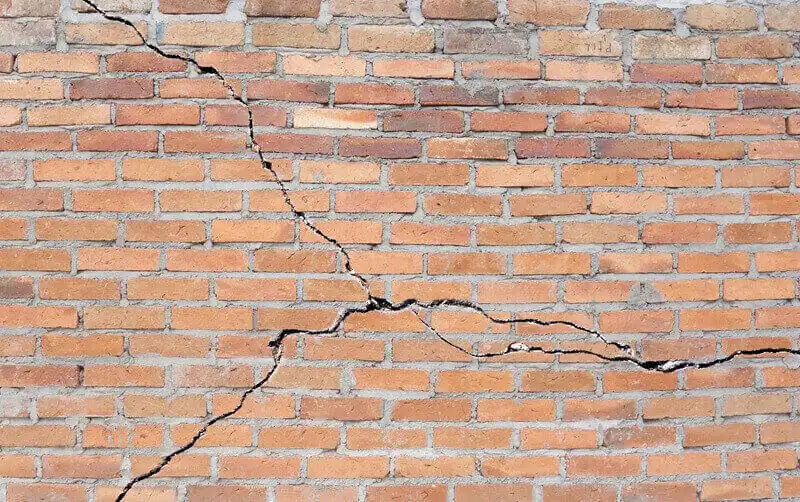
Your home’s foundation depends on the ground below it for support. When soil expands, contracts, or settles unevenly, it puts pressure on the concrete slab or walls resting on top. That movement creates stress points that can eventually lead to cracking, shifting, or sinking.
In regions with frequent weather changes, soil moisture levels fluctuate year-round. Heavy rainfall causes the ground to swell, while dry spells make it contract. This constant cycle of expansion and shrinkage weakens foundation materials over time. Even small shifts underground can cause visible damage above the surface.
Consistent soil movement doesn’t just cause cracks. It can also tilt floors, misalign doors and windows, and lead to leaks along basement walls. Once these signs appear, the damage can worsen unless the underlying soil issue is addressed.
Common Soil Types That Affect Home Foundations
The soil across Northern Virginia communities can differ from one property to the next. Knowing which type sits beneath your home can help you understand your foundation’s risks.
Clay Soil
Clay soil is common throughout much of Virginia. It’s known for its ability to expand when wet and shrink when dry. This swelling and shrinking cycle creates significant pressure against foundations, which can lead to cracks or shifting walls. Homes built on dense clay may experience uneven settling and visible separation along concrete joints.
Loam Soil
Loam is a balanced mix of clay, sand, and silt. It drains well and typically provides stable support for foundations. However, if drainage around your home is poor, loam can still hold excess moisture, which increases pressure against basement walls and slabs. Proper grading and gutter systems are essential for keeping the loam soil stable.
Silty Soil
Silty soil feels smooth and powdery and is commonly found near riverbeds and low-lying areas around Warrenton. While it holds nutrients well for plants, it also retains water easily. Prolonged saturation can soften the soil and cause the foundation to settle unevenly, leading to hairline or diagonal cracks in concrete walls and floors.
Sandy Soil
Some areas in Northern Virginia contain sandy soil, which drains quickly but lacks stability. When exposed to heavy rain, sandy soil can erode and leave gaps under the foundation. Without reinforcement, this can cause one side of the house to sink slightly, which is a condition known as differential settlement.
Each of these soil types reacts differently to moisture, temperature, and pressure, which is why local knowledge is so important when diagnosing and repairing foundation cracks.
Signs Your Foundation May Be Affected By Soil Movement
Soil movement rarely causes sudden foundation damage. It usually starts small and gets worse over time, showing subtle signs that are easy to overlook. Paying attention to early changes in your home can help you spot a problem before it turns into something serious.
Cracks In Walls, Floors, Or Ceilings
Hairline cracks might seem harmless, but they often signal that the soil beneath your foundation is shifting. As pressure builds, the concrete responds by cracking along weak points. If those cracks widen or spread, it’s a sign the movement is continuing.
Gaps Between Baseboards & Floors
When soil settles unevenly, it can cause slight shifts in your foundation that create small gaps where the walls meet the floors. These spaces may look cosmetic, but they usually point to movement below the surface.
Sticking Doors & Windows
If doors or windows start to jam or don’t close properly, your foundation may be uneven. Soil expansion or settling can twist the frame of your home just enough to throw these openings out of alignment.
Sloping Or Uneven Floors
A gentle slope in your flooring is one of the clearer signs of foundation settlement. Soil that’s shifting or losing stability can cause one side of the house to sink slightly, creating a noticeable tilt as you walk across the floor.
Water Pooling Near The Foundation
Standing water after rain means the ground isn’t draining properly. Excess moisture can soften the soil, increase pressure against your foundation, and lead to cracks or leaks over time.
Separation Where Walls Meet Ceilings Or Floors
Gaps or separations in these corners happen when parts of the foundation settle at different rates. It’s a visual clue that the ground beneath your home isn’t supporting the structure evenly.
If you’re noticing one or more of these warning signs, your foundation may be reacting to soil movement beneath it. Having it inspected by a professional can help you catch the issue early and prevent small cracks from turning into expensive structural repairs.
How Weather Patterns Impact Your Home’s Foundation
Northern Virginia’s changing weather adds another layer of stress to foundation stability. During wet months, heavy rains saturate the soil and increase hydrostatic pressure around the foundation. In dry months, the ground contracts, pulling away from the concrete and leaving voids that lead to settling.
Homes in Warrenton experience these cycles year after year, and that repeated movement can slowly pull foundations apart. While you can’t control the weather, you can take steps to manage how water interacts with the soil around your home.
How To Prevent Foundation Cracks Caused By Soil Conditions
Keeping your foundation healthy starts with managing moisture and soil movement around your property. A few preventive steps can make a big difference:
- Ensure proper drainage. Keep gutters and downspouts clear, and make sure water flows away from the house rather than pooling near the foundation.
- Maintain consistent soil moisture. During dry seasons, lightly water the soil around your foundation to prevent excessive shrinkage.
- Inspect your yard’s grading. The ground should slope away from your home so that rainwater runs off naturally.
- Seal small cracks early. Even minor gaps allow water to enter, which can widen cracks over time.
- Schedule regular inspections. Professional assessments help catch early signs of soil-related stress before they become expensive repairs.
When cracks begin to form or soil movement becomes visible, it’s time to bring in professionals who understand how to evaluate and repair foundation damage. Working with a trusted local team is the next step toward keeping your foundation strong and your home protected.

How Top Dog Leak & Foundation Pros Protects Your Home
The soil beneath your home is constantly changing, and those changes can have lasting effects on your foundation. Cracks, uneven settling, and moisture intrusion may start small, but they can grow worse when left untreated. Understanding how your local soil behaves and taking action early is the key to avoiding costly repairs.
If you’re seeing cracks in your walls or floors, or if your doors and windows suddenly stick, it’s time to have your foundation inspected. Contact Top Dog Leak and Foundation Pros for reliable foundation assessment and repair in Warrenton and throughout Northern Virginia. Our expertise with local soil conditions helps make sure your foundation stays stable and your home stays protected for the long term.
About the Author: Rod Heiston

Schedule Your Consultation Today!
Recent Posts!
Takeaways: Wet seasons in Warrenton bring high humidity, which often settles in the basement. Dehumidifiers help control indoor moisture, [...]
Overview: Basement waterproofing methods fall into two main categories: interior and exterior. Interior systems manage water after it enters, [...]
Quick Recap: Not all waterproofing contractors are created equal. The right one should understand Warrenton’s soil, offer written estimates, [...]