
Key Takeaways:
Your basement’s waterproofing depends on more than materials. It is also shaped by the soil and climate around your home. In Northern Virginia, frequent rain, humidity, and freeze-thaw cycles can increase water pressure against foundation walls. Clay and silty soils trap moisture, while sandy soils shift and erode. Understanding these conditions helps you choose the right waterproofing system. Regular inspections, drainage maintenance, and professional repairs can protect your basement and foundation from seasonal damage.
A dry basement isn’t just about comfort. It can also protect your home from long-term damage. But the soil and weather around your property affect how much pressure your foundation faces every season. In Warrenton and throughout Northern Virginia, heavy rainfall, humidity, and shifting soil can all test your basement’s waterproofing.
Understanding how these environmental factors work together helps you make better decisions about keeping water out for good. Take a look at how soil composition and local climate influence your waterproofing needs and what you can do to stay ahead of potential problems.

How Soil Type Shapes Your Basement’s Protection
Not all soil behaves the same way when it comes to water. Some drain easily, while others trap moisture against your foundation. The type of soil beneath your home directly affects how much stress your waterproofing system has to handle.
Clay Soil Holds More Water
Clay-rich soil, which is common across Northern Virginia, expands when it gets wet and contracts when it dries. That constant movement puts pressure on basement walls and can open gaps where water seeps in. If your home sits on clay, you need a strong exterior waterproofing system and effective drainage to manage the extra pressure.
Silty Soil Retains Moisture Longer
Silty soil is smooth, fine, and holds water for long periods. Homes built on silty ground can face issues with dampness, musty odors, or mold. This type of soil increases hydrostatic pressure, the buildup of water against basement walls, which makes sump pumps and vapor barriers especially important.
Loam Balances Stability & Drainage
Loam is a mixture of sand, silt, and clay that provides a good balance of drainage and support. Still, poor grading or damaged gutters can cause even loam soil to retain excess water. Proper water redirection remains essential to prevent leaks or moisture buildup.
Sandy Soil Can Lead To Erosion
Sandy soil drains quickly but can wash away during heavy rain. Over time, this erosion creates gaps under the foundation, reducing support and allowing moisture to find new pathways inside. Regular inspections and soil stabilization can help prevent this.
Every soil type interacts differently with water, which means your waterproofing system should be customized to handle the specific ground conditions around your home.
The Role Of Climate In Basement Moisture
Even the best waterproofing system has to work harder when the weather changes. Northern Virginia’s climate includes everything from hot, humid summers to freezing winters, and each season affects basement moisture in its own way.
Heavy Rains Saturate The Ground
Spring and summer storms can quickly oversaturate the soil. When the ground can’t absorb more water, it pushes moisture toward the foundation. Without proper drainage, water seeps into cracks and small openings, leading to damp walls or pooling on the basement floor.
Freeze-Thaw Cycles Create Stress
In winter, moisture in the soil freezes and expands, pressing against basement walls. When it thaws, the soil contracts, causing small shifts that can open cracks or widen existing ones. These seasonal movements make ongoing waterproofing maintenance important, especially for older homes.
Humidity Adds Hidden Moisture
During humid months, condensation usually forms on basement walls and pipes. Even without leaks, this moisture can encourage mold growth and damage insulation or stored items. Installing a dehumidifier or improving ventilation helps reduce this issue.
Drought Conditions Can Be Deceptive
Dry weather might seem like a break from moisture problems, but it can also cause soil to pull away from the foundation. Once rain returns, those gaps fill quickly, directing water straight toward the basement walls. Consistent moisture management year-round helps prevent this.
Understanding these seasonal effects is key to choosing waterproofing solutions that hold up against local weather conditions.
Signs Your Basement Waterproofing May Be Failing
Waterproofing problems rarely appear all at once. They start small and get worse over time. Recognizing these early warning signs can help you take action before real damage sets in:
- Damp spots or dark patches on walls or floors – Moisture seeping through concrete can leave discolored areas or faint water stains.
- Musty or earthy odors – A lingering smell can mean mold or mildew has started to grow behind walls or under flooring.
- Peeling paint or bubbling wall surfaces – When moisture builds up behind paint, it pushes outward, causing paint or drywall to blister.
- Water stains near floor joints or corners – These low points often reveal where groundwater is finding a way inside.
- Mold or mildew in hidden areas – Look for growth along baseboards, behind storage boxes, or near windows where humidity collects.
- Sump pump running too often – If your pump cycles frequently, it may be struggling to keep up with increased groundwater pressure.
If you’ve noticed any of these signs, your waterproofing system could be losing its effectiveness. Catching these problems early helps prevent larger issues like wall cracks, foundation damage, or costly water cleanup later on.
Why Professional Basement Waterproofing Makes A Difference
Every home is different, and so is every leak. A professional waterproofing company understands how soil, drainage, and climate work together to affect your basement. Instead of using one-size-fits-all solutions, they tailor their approach to your specific environment.
Thorough Inspections & Accurate Diagnosis
A waterproofing expert starts by assessing how water moves around your property. They examine soil composition, grading, and existing drainage to find out where moisture is entering. This step ensures the real cause of the problem is identified before any repairs begin.
Advanced Sealing & Coating Techniques
Professionals use high-quality sealants, membranes, and coatings designed to block water at its source. Whether it’s sealing hairline cracks or applying a protective barrier to basement walls, these materials last longer and perform better than temporary DIY products.
Sump Pump & Drainage System Installation
A proper drainage system keeps water pressure under control. Professionals can install or upgrade sump pumps, French drains, or perimeter drain tiles that direct water safely away from your foundation during heavy rain or storms.
Moisture Control & Air Quality Improvements
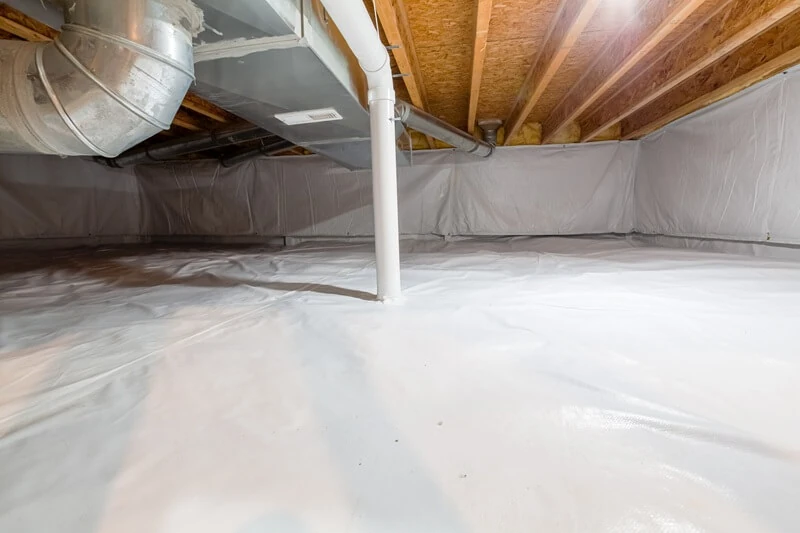
In addition to keeping water out, experts also help manage humidity levels inside the basement. They may install vapor barriers, dehumidifiers, or insulation to reduce condensation and prevent mold growth, improving the air quality throughout your home.
Structural Reinforcement & Long-Term Stability
When moisture weakens basement walls, professionals can use reinforcement methods like wall anchors or carbon fiber strips to restore strength. These repairs prevent bowing, cracking, and further water intrusion, which can keep your foundation secure for the long term.
Local experience makes a significant difference. Top Dog Leak and Foundation Pros understands how Northern Virginia’s unique mix of soil types and weather patterns impacts basements. Our team designs waterproofing solutions that protect against both everyday dampness and extreme weather, helping make sure your foundation stays dry and secure.
Keeping Your Basement Protected Through Every Season
Virginia’s weather can be unpredictable, and your basement feels the impact first. From heavy summer rains to frozen winter soil, changing conditions constantly test your home’s waterproofing. Over time, even the smallest gaps can allow moisture to seep in, creating the perfect environment for mold, odors, and structural wear.
That’s why ongoing maintenance is essential. Regular inspections, clean gutters, and working sump pumps make a major difference in how well your basement stays dry. Addressing these small leaks or damp spots early prevents costly water damage later.
If you’ve started to notice musty smells, damp walls, or condensation on basement surfaces, it’s time to take action. Top Dog Leak and Foundation Pros provides thorough inspections and customized waterproofing solutions for homes in Warrenton and across Northern Virginia. We help you prepare your basement for every season, keeping your foundation strong and your home safe year-round.
About the Author: Rod Heiston

Schedule Your Consultation Today!
Recent Posts!
Takeaways: Wet seasons in Warrenton bring high humidity, which often settles in the basement. Dehumidifiers help control indoor moisture, [...]
Overview: Basement waterproofing methods fall into two main categories: interior and exterior. Interior systems manage water after it enters, [...]
Quick Recap: Not all waterproofing contractors are created equal. The right one should understand Warrenton’s soil, offer written estimates, [...]