
TL;DR:
Keeping your basement dry starts with simple steps like cleaning gutters, grading soil, sealing cracks, and maintaining your sump pump. These tasks help prevent leaks and reduce long-term moisture damage. But if you notice persistent dampness, mold, or cracks that keep returning, it’s time to call professionals. Waterproofing services from pros can help ensure the problem is fixed correctly, protecting your home’s structure and comfort.
A dry basement makes a big difference in how safe, comfortable, and valuable your home feels. And while professional waterproofing can provide this long-term protection, there are simple steps homeowners can take to help prevent leaks and moisture buildup before they become serious problems.
For many houses in Northern Virginia, changing seasons, heavy rain, and shifting soil make moisture control an ongoing task. With the right maintenance habits, you can reduce the risk of water intrusion and keep your basement in better condition year-round.
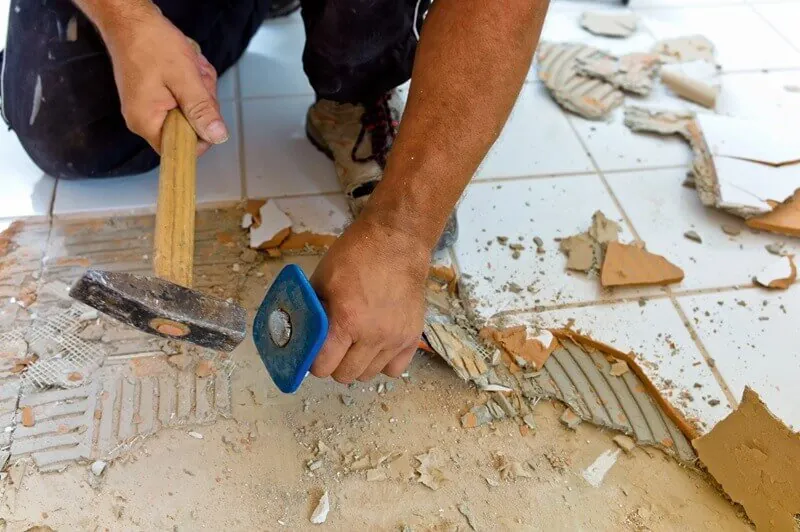
Simple DIY Waterproofing Tips For Homeowners
Preventing water problems starts with small, consistent maintenance. These practical steps can help keep water out and extend the life of your waterproofing system.
Check Gutters & Downspouts
Clean your gutters regularly and make sure downspouts direct water at least five feet away from your home’s foundation. Clogged gutters can cause overflow, letting water collect near the base of your home and increasing pressure on basement walls.
Grade The Soil Away From The Foundation
The ground around your house should slope slightly away from the foundation so rainwater naturally flows outward. If you notice water pooling after storms, add topsoil to low spots and pack it down to encourage better drainage.
Inspect Basement Walls & Floors
Look for cracks, dark stains, or signs of dampness along basement walls and floors. Small cracks can be sealed with waterproof caulk or hydraulic cement to stop minor leaks. If cracks keep reopening or spreading, that may be a sign of larger structural movement.
Seal Windows & Window Wells
Basement windows and their wells are common entry points for water. Make sure window frames are tightly sealed and the wells are clear of debris. You can also add window well covers to prevent rainwater from collecting around them.
Use A Dehumidifier
Basements tend to hold moisture because they are below ground level. Running a dehumidifier helps control humidity, reduces musty smells, and prevents mold growth, especially during humid Virginia summers.
Keep Your Sump Pump Maintained
If your home has a sump pump, test it regularly to make sure it runs smoothly. Clean out the pit and check the discharge line to ensure it directs water far enough away from the foundation. A functioning sump pump is one of the best defenses against basement flooding.
Apply Waterproof Paint Or Sealant
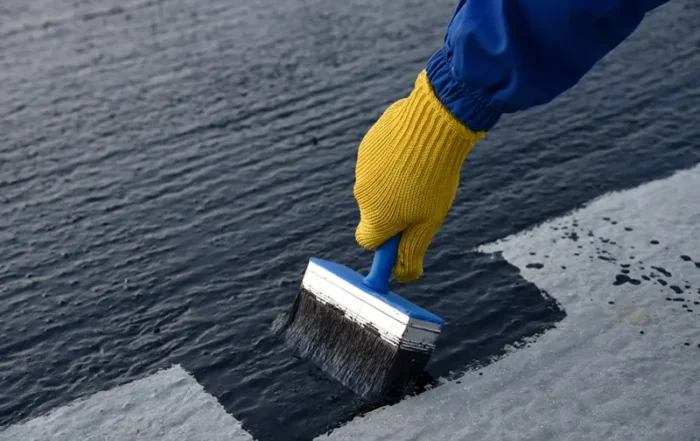
If your basement walls show signs of mild dampness, applying a waterproof coating can create a barrier that helps repel moisture. However, these products work best as a short-term solution, not a replacement for professional-grade waterproofing.
Regular upkeep like this does more than keep water out. It also helps protect your foundation, prevent costly repairs, and keep your basement dry and comfortable through every season.
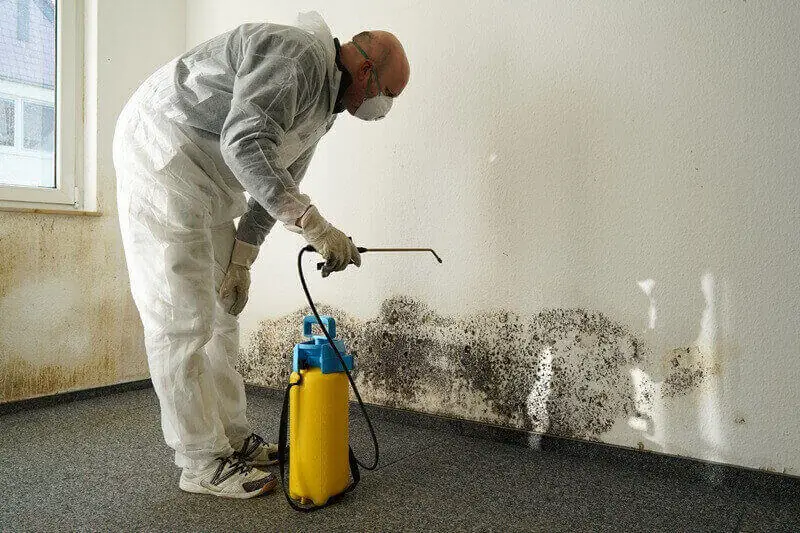
When Are DIY Waterproofing Solutions Not Enough?
DIY waterproofing can handle minor leaks and moisture, but persistent water issues typically signal something more serious. If you’re constantly battling dampness or noticing new cracks, it may be time to call in a professional. Here’s when help from an expert becomes necessary:
Persistent Or Worsening Leaks
If water keeps returning after you seal cracks or clean gutters, hydrostatic pressure could be building up around your foundation. This pressure forces water through concrete, gradually weakening basement walls and flooring. A professional can relieve this pressure and stop leaks at the source.
Visible Mold Or Mildew
Mold doesn’t just look bad. It also signals hidden moisture. Once it forms behind walls or under flooring, surface cleaning won’t solve the problem. Professionals have the tools to find where moisture is entering and stop it from spreading further.
Cracks That Keep Reappearing
When cracks reopen after you’ve patched them, the ground beneath your home may still be shifting. Continuous movement can cause deeper structural issues. A foundation specialist can stabilize the area and prevent the cracks from coming back.
Musty Odors & Poor Air Quality
If your basement smells damp even after cleaning, moisture could be seeping in from hidden areas. Professionals use equipment like thermal cameras and moisture meters to locate leaks without unnecessary demolition.
Sump Pump Overload Or Failure
If your sump pump runs constantly, makes unusual noises, or fails during heavy rain, it’s likely working harder than it should. This can mean the pump isn’t powerful enough for your home’s drainage needs or that water is collecting faster than it can handle.
A professional can inspect the system, clear blockages, and recommend the right pump size or backup system based on your home’s soil conditions and water volume. This ensures your sump pump can handle Virginia’s seasonal storms and keep your basement dry year-round.
When moisture keeps finding its way back, it’s time to get professional support. With expert help, you can stop the cycle of recurring water problems and keep your basement dry for good.
How Professionals Solve Basement Moisture Problems
While DIY measures help prevent small issues, professionals handle the complex causes of basement leaks. A trusted basement waterproofing company assesses how soil, drainage, and weather affect your foundation, then tailors repairs to your home’s specific needs. They can:
- Diagnose hidden water entry points behind walls or under flooring.
- Repair and seal foundation cracks with long-lasting materials.
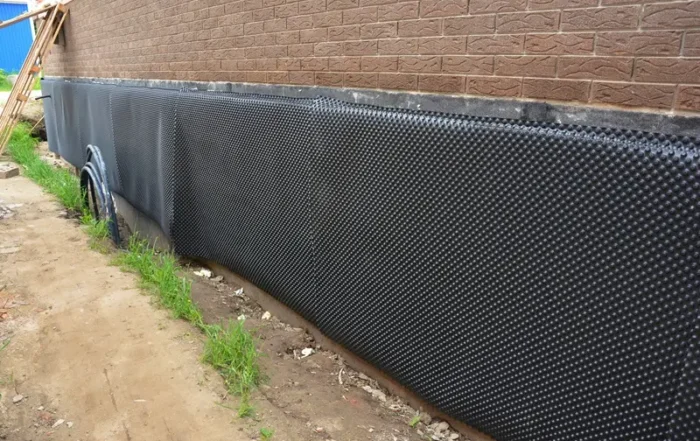
- Install or upgrade sump pumps, French drains, and vapor barriers.
- Improve exterior grading and downspout placement for better runoff control.
- Reinforce basement walls weakened by moisture or pressure.
Local expertise is key. Top Dog Leak and Foundation Pros understands how Warrenton and Northern Virginia’s mix of clay and silty soils, humidity, and seasonal rainfall create basement challenges. Our team uses proven methods and advanced technology to stop water at its source and keep your foundation stable for the long term.
Staying Proactive Keeps Your Basement Dry
Small steps make a big difference in protecting your home. Regularly cleaning gutters, checking for cracks, and running your dehumidifier can help you prevent water intrusion before it starts. But when leaks persist or conditions worsen, it is time to bring in professionals who can find the cause and fix it correctly.
Top Dog Leak and Foundation Pros provides thorough inspections and lasting waterproofing solutions for homeowners across Northern Virginia. Whether you need help diagnosing a stubborn leak or upgrading your drainage system, we are here to keep your basement dry, your foundation strong, and your home protected all year long.
Frequently Asked Questions About Basement Waterproofing
Keeping your basement dry can feel like a challenge, especially when the weather and soil conditions around your home keep changing. These common questions can help you understand how to protect your basement and foundation more effectively.
About the Author: Rod Heiston

Schedule Your Consultation Today!
Recent Posts!
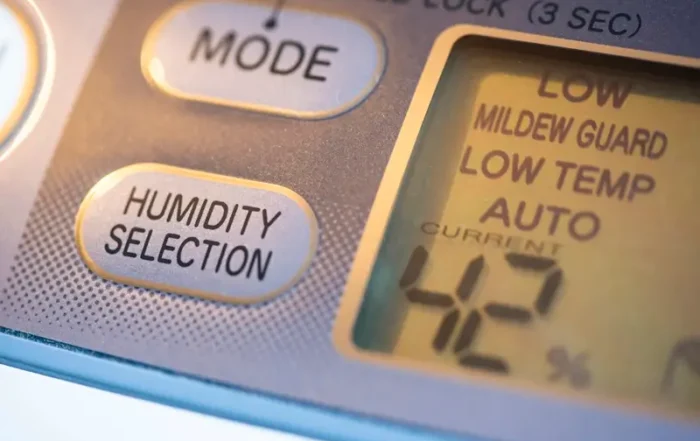
Takeaways: Wet seasons in Warrenton bring high humidity, which often settles in the basement. Dehumidifiers help control indoor moisture, [...]
Overview: Basement waterproofing methods fall into two main categories: interior and exterior. Interior systems manage water after it enters, [...]
Quick Recap: Not all waterproofing contractors are created equal. The right one should understand Warrenton’s soil, offer written estimates, [...]