
Highlights:
- Early slab leaks detection limits damage to concrete, flooring, and framing, before a minor leak turns into a major structural repair.
- You’ll avoid costly surprises like mold remediation, insurance claim denials, and ruined finishes.
- Non-invasive detection methods find the source quickly, saving time, materials, and demolition costs.
- Catching slab leaks early protects your resale value and prevents long-term foundation issues that may scare off buyers.
Slab leaks don’t start with a flood. They start quietly beneath your floors, inside your foundation, where you can’t see them. You may not notice anything until your water bill spikes or the floor begins to feel oddly warm underfoot.
These leaks can cause serious damage long before you realize what’s happening. They can crack concrete, rot wood, grow mold, and weaken your entire foundation. And once you see the signs, the problem may already be thousands of dollars deep. Read on to learn how slab leaks happen, the early signs you can watch for, and why quick detection makes all the difference for homeowners in Warrenton and across Northern Virginia.
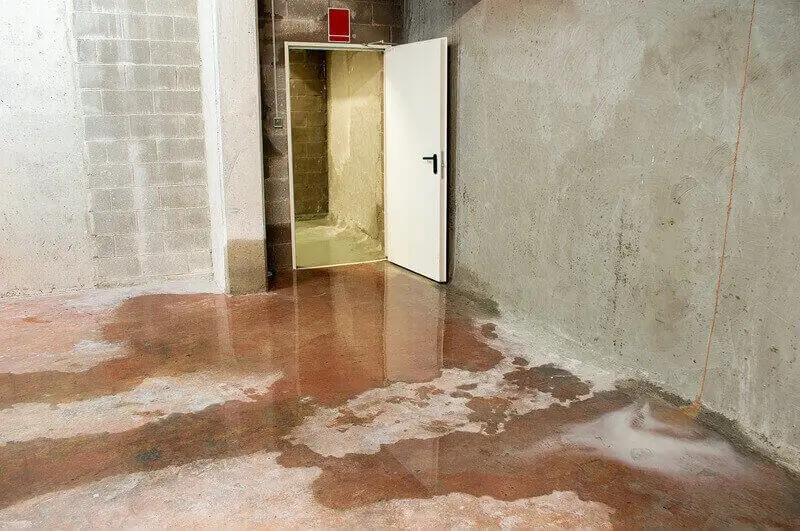
What Causes Slab Leaks Under Your Virginia Home’s Foundation?
Most homes in Warrenton and across Northern Virginia are built on concrete slab foundations. That slab sits directly over your plumbing lines, usually the hot and cold water pipes that run beneath your home. When one of those pipes cracks, corrodes, or shifts, water begins to leak into the concrete and surrounding soil. That’s a slab leak.
These are some of the most common causes:
- Aging or corroded pipes: Copper and galvanized steel pipes are especially vulnerable to corrosion over time, especially in older homes.
- Shifting soil or ground movement: Virginia’s seasonal weather, especially freeze-thaw cycles and heavy rains, can cause the ground to expand and contract, putting stress on buried pipes.
- Improper construction or pipe installation: Pipes laid too close to rebar or sharp gravel can wear down over time due to vibration or friction.
- High water pressure: Excessive pressure puts constant stress on your plumbing system. Over time, it can crack pipes hidden beneath the slab.
- Chemical reactions in the soil: In rare cases, certain soil conditions can speed up pipe deterioration, especially in untreated metal lines.
Slab leaks don’t need a dramatic event to start. Often, it’s a combination of age, pressure, and slow deterioration. But once they begin, they rarely stop on their own and the sooner you catch them, the less damage they’ll do.
Why Northern Virginia Homes Are At Higher Risk For Slab Leaks
In Northern Virginia, a lot happens under your home that you’ll never see, and some of it puts your foundation at risk. Many homes in Warrenton and surrounding areas were built decades ago, during construction booms that prioritized speed. That means aging plumbing systems, especially copper or galvanized steel pipes, are now reaching the end of their lifespan.
Time alone makes slab leaks more likely. But here, nature also plays a part. Virginia’s soil is heavy in clay, which expands when wet and shrinks when dry. With every storm and drought cycle, the ground beneath your slab shifts, sometimes subtly, sometimes dramatically. That pressure builds up beneath your foundation, and over time, can stress or crack your water lines.
Add in cold winters, where freeze-thaw cycles cause even more ground movement, and you have a perfect environment for slab leaks to form silently.
It’s not just older homes at risk, either. Even newer construction can suffer from poor soil compaction or shortcuts during installation. That’s why homeowners across Northern Virginia, not just those in older neighborhoods, need to stay alert.
You can’t control the ground beneath your house, but you can control how early you respond when it starts causing trouble.
The Hidden Costs Of Ignoring A Slab Leak In Warrenton
Slab leaks do not fix themselves and the longer they go unnoticed, the more expensive the damage becomes. What begins as a slow drip beneath your home can turn into structural instability, indoor health hazards, and skyrocketing repair bills.
Let’s break down the risks that grow silently beneath your feet.
Structural Damage That Spreads
Water under the slab can erode the soil, leading to foundation shifts or cracks. This can cause uneven flooring, wall separation, or even compromised load-bearing walls. In Virginia homes with clay-heavy soil, this kind of movement happens faster than many homeowners realize.
Mold Growth & Air Quality Risks
Moisture trapped beneath your floor can foster mold and mildew inside walls and under flooring. That mold doesn’t just affect your home; it impacts your family’s health, especially for those with allergies, asthma, or weakened immune systems.
Compromised Flooring & Interior Finishes
Hardwood begins to warp. The tile may loosen or crack. Baseboards swell and paint starts to peel. All of these cosmetic issues trace back to invisible water pushing up from below and fixing the surface won’t stop the source.
Insurance Denials
Many homeowners assume insurance will cover everything. But if an insurer determines the leak was ongoing or preventable, your claim might be denied. Waiting too long can turn a covered repair into a personal financial burden.
Reduced Home Value
Slab damage and mold issues are red flags during home inspections. Even if repaired, they may leave a paper trail that affects your home’s market value or saleability.
Slab leaks aren’t just a plumbing issue; they’re a whole-home risk. When caught early, the fix is manageable. When left alone, the consequences ripple through every part of your house and your wallet.
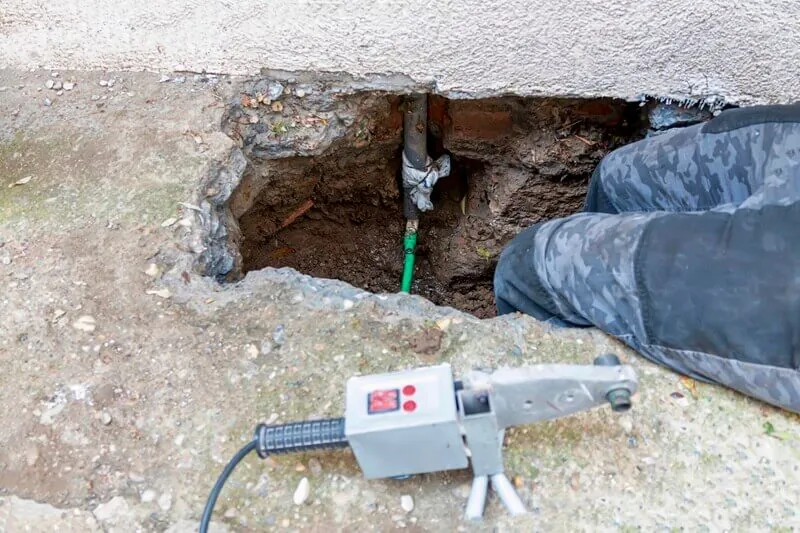
What To Do If You Suspect A Slab Leak
Slab leaks aren’t a DIY project. But there are smart steps you can take the moment you suspect something’s off. Acting quickly can keep the problem small and the cost even smaller.
Follow these steps:
- Don’t ignore the signs. Warm floors, mystery moisture, or rising bills should never be brushed off.
- Shut off your water main. If you see water pooling or feel damp carpet, cut the water supply to stop further damage.
- Call a slab leak specialist. They can detect leaks without tearing up your home and give you a clear fix without guesswork.
- Ask about non-invasive detection tools. Make sure you’re not signing up for unnecessary demolition.
- Schedule repairs immediately. A quick fix today can save you a full remodel tomorrow.
Slab leaks don’t wait, and neither should you.
How VA Leak Detection Experts Find Problems Without Tearing Up Floors
One of the biggest fears homeowners have about slab leaks is the repair process: images of jackhammers, ripped-up flooring, and costly demolition come to mind. But thanks to modern detection methods, finding a slab leak doesn’t have to mean wrecking your home.
Here’s how today’s professionals do it quickly, cleanly, and accurately.
Acoustic Listening Devices
Technicians use specialized equipment to “listen” for water movement beneath the slab. These tools detect subtle sounds of water escaping from pressurized pipes, even through concrete.
Infrared Thermal Imaging
If the leak involves hot water, thermal cameras can pick up temperature differences in the floor. A warmer patch of concrete often reveals the precise location of the leak, without ever lifting a tile.
Pressure Testing
By isolating plumbing zones and monitoring pressure levels, experts can pinpoint which line is leaking. This narrows down the search to a specific pipe or section, often to within inches.
Moisture Meters
Non-invasive moisture detection tools measure humidity and dampness in concrete or walls. These meters help confirm the presence of excess water before invasive work begins.
Slab leak detection experts serving Warrenton and Northern Virginia are trained to use these tools in combination. Their goal? Find the source fast, minimize damage, and guide you toward the least disruptive solution.
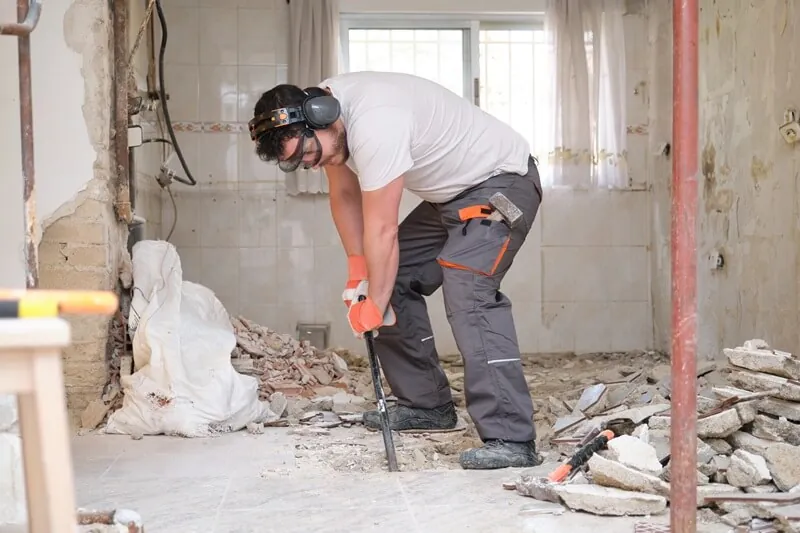
Don’t Let A Hidden Leak Wreck What You’ve Built
We know your home isn’t just a structure; it’s your comfort zone, your investment, your family’s safe place. That’s why slab leaks should never be ignored, and why early detection isn’t just about saving money; it’s about protecting what matters most.
At Top Dog Leak & Foundation Pros, we’ve seen the damage that hidden leaks can cause when left alone. We’ve also seen how quickly a problem can be fixed when it’s caught early, with less mess, lower costs, and far less stress.
If something feels off in your home, whether it’s a warm patch on the floor or a water bill that doesn’t add up, we’re here to help you get clear answers. We use non-invasive tools to locate the leak, walk you through your options, and help you take action that protects both your home and your wallet.
You don’t have to wait for disaster to take control. If you’re in Warrenton or anywhere in Northern Virginia, give us a call. Top Dog is ready when you are.
About the Author: Rod Heiston

Schedule Your Consultation Today!
Recent Posts!
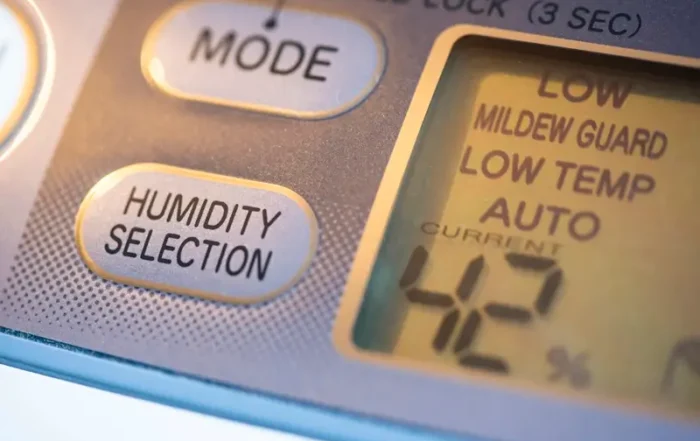
Takeaways: Wet seasons in Warrenton bring high humidity, which often settles in the basement. Dehumidifiers help control indoor moisture, [...]
Overview: Basement waterproofing methods fall into two main categories: interior and exterior. Interior systems manage water after it enters, [...]
Quick Recap: Not all waterproofing contractors are created equal. The right one should understand Warrenton’s soil, offer written estimates, [...]