
TL;DR:
Foundation cracks are more than cosmetic; they can be signs of serious issues. In Warrenton homes, soil movement, water damage, and construction missteps are some of the biggest culprits. Recognizing the early warning signs and knowing what triggers them can help protect your home from deeper structural problems. Staying informed helps you act before repairs become costly.
A small crack in the foundation might not seem like a big deal until your doors stick, floors slope, or water seeps into the basement. These problems often start with conditions you can’t see, but they build slowly beneath your home.
In a place like Warrenton, where weather swings and soil types vary, foundation cracks are common, but not always harmless. Understanding what causes them is the first step to keeping your home safe and stable long term.
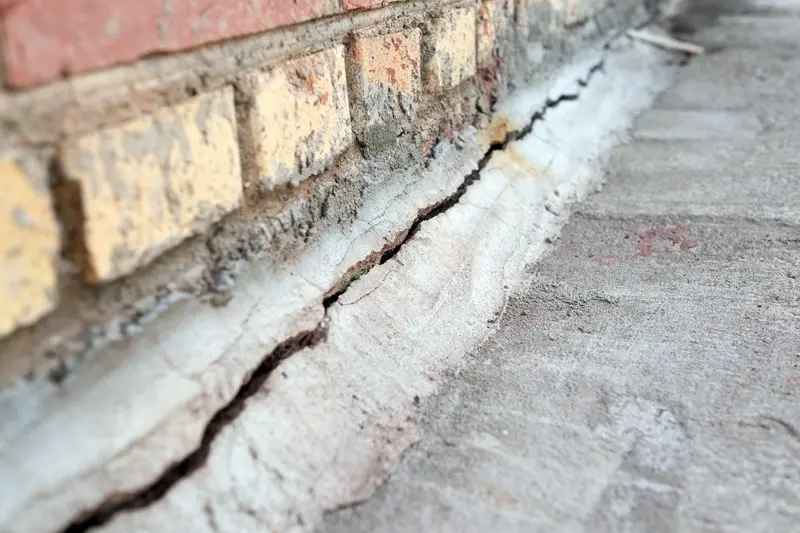
How Soil Movement Leads To Foundation Cracks
The ground beneath your home isn’t as still as it looks. In Warrenton, where the soil is often clay-rich and sensitive to moisture, natural shifts in the earth are one of the leading causes of foundation cracks.
Expansive Clay Soils Expand & Shrink
Warrenton’s soil contains a high percentage of clay, which swells when wet and shrinks when dry. This constant expansion and contraction puts pressure on your foundation from different directions, often leading to vertical or diagonal cracks.
Uneven Settling Causes Stress Points
Even newly built homes go through settling, but if the ground settles unevenly under different parts of the slab, it creates pressure on the structure above. Over time, this stress can lead to horizontal or stair-step cracks along the walls or foundation.
Water Saturation Softens Load-Bearing Soil
When the soil around your home becomes saturated, usually after heavy rain or poor drainage, it loses its strength. That softened soil can’t support the weight of your home the way it should, which can lead to shifting, sinking, or tilting of the foundation.
Drought Conditions Can Be Just As Harmful
In dry seasons, the soil contracts and pulls away from the foundation. This creates empty pockets where support used to be, allowing the slab to shift or settle unevenly. It’s a slow-moving threat that’s easy to overlook until visible damage appears.
Tree Roots & Ground Pressure Changes
Large tree roots can grow under or alongside your foundation, displacing soil and creating pressure points. Even natural ground compaction from heavy construction nearby can shift the balance and create new cracks in older foundations.
Soil movement is one of those hidden forces that gradually pulls your home in different directions. Knowing how your land reacts to weather and moisture is key to spotting and stopping foundation problems early.
Water Damage, A Silent Contributor To Foundation Cracks
Water might seem harmless until it’s been sitting under your home for weeks or slowly eroding the soil around your foundation. In Warrenton, with its heavy rains and aging infrastructure, water damage often works quietly behind the scenes.
Poor Drainage Around The Home
When rainwater isn’t directed away from your home, it pools around the base of your foundation. Over time, that water seeps into the soil, softens it, and compromises its ability to support the weight above.
Downspouts that discharge too close to the structure and sloped landscaping that drains inward are common contributors.
Plumbing Leaks & Broken Gutters
Not all water comes from outside. A slow leak from under your slab or a broken gutter that funnels water directly along the perimeter can saturate the ground over time. These issues often go unnoticed until cracks appear inside the home, especially in basements or lower levels.
Long-Term Moisture Intrusion & Erosion
When soil stays wet for extended periods, it starts to shift or wash away entirely. This slow erosion removes support from under key parts of your home’s foundation. That’s when uneven pressure develops, and structural cracks begin to form across walls, floors, or even ceilings.
Water doesn’t need a flood to do damage. Even minor drainage issues can lead to significant foundation problems if left unchecked. Preventing moisture intrusion starts at the surface and makes a big difference below ground.
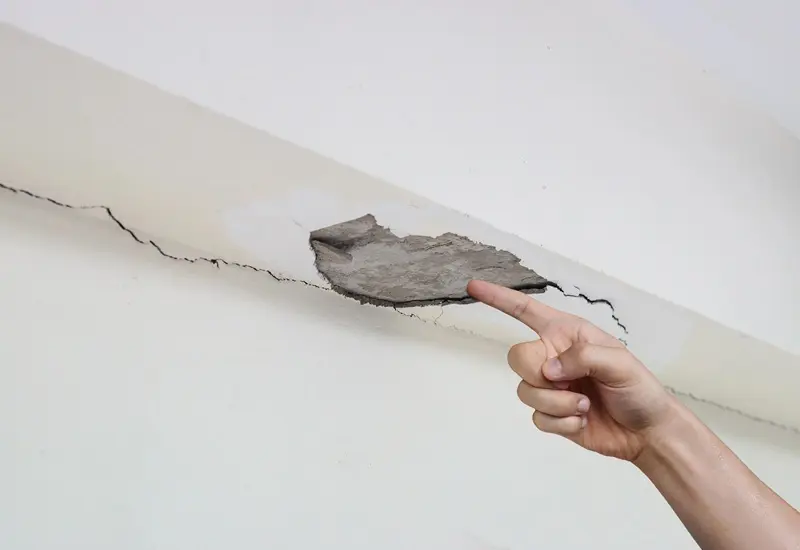
When Construction Issues Are The Root Of The Problem
Sometimes, the cause of a foundation crack isn’t the weather, the soil, or your plumbing; it’s how the house was built. Unfortunately, construction shortcuts can create long-term problems that don’t surface until years later.
Poor Site Prep Or Grading
If the ground wasn’t properly leveled, compacted, or drained before the foundation was poured, uneven settling is almost guaranteed. Improper grading can direct water toward the house instead of away. It puts pressure on the foundation and leads to early cracking, especially in areas with heavy clay soil like Warrenton.
Rushed Work Or Low-Quality Materials
Using concrete that wasn’t mixed or cured properly can lead to shrinkage cracks. Skimping on rebar, using shallow footings, or skipping essential waterproofing steps may not cause immediate issues, but they create vulnerabilities that worsen over time.
These shortcuts might save time during construction, but the homeowner often pays for them later.
Delayed Damage From Hidden Flaws
Construction-related foundation problems don’t always show up right away. Cracks might appear years later when seasonal soil movement puts pressure on a weak spot. By then, the builder is long gone, and the repair bill lands in your lap. Recognizing the signs early can help you address the issue before it grows.
In older neighborhoods and newer subdivisions alike, poor construction practices can lead to serious structural issues. If you suspect your home’s foundation wasn’t built to last, it’s worth getting a professional opinion before small cracks become major problems.
What Different Foundation Cracks Might Be Telling You
Not all foundation cracks are created equal. The direction, width, and pattern of a crack can reveal a lot about what’s going on beneath your home. Here’s how to read the signs before the damage gets worse.
| Type of Crack | What It Could Mean |
|---|---|
| Vertical Crack | Often caused by natural settling. Small, narrow vertical cracks are common, but should still be monitored. |
| Horizontal Crack | It can be a sign of serious pressure from the outside, such as soil expansion or water buildup pushing against the wall. |
| Diagonal Crack | Usually appears from foundation shifting due to uneven soil movement or drainage issues on one side of the home. |
| Stair-Step Crack (in block walls) | Indicates foundation settlement or shifting soil beneath a corner or section of the home. Often requires professional evaluation. |
| Hairline Crack | Very thin and often cosmetic. Common in new homes, but may widen over time if deeper issues are present. |
These cracks don’t just appear randomly; they follow stress points, moisture paths, and soil shifts. Understanding their patterns can help you act before structural repairs are needed.
If you live in Warrenton, where seasonal changes and clay soils put extra stress on your foundation, it’s a good idea to take any crack seriously, no matter how small it seems.
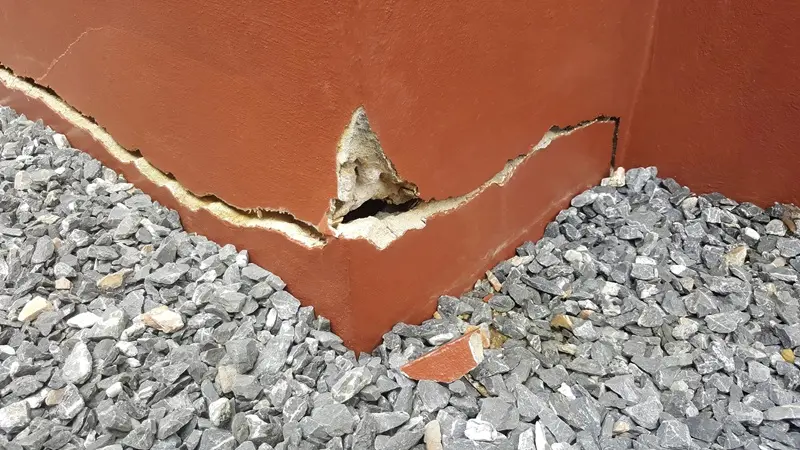
Frequently Asked Questions About Foundation Cracks
Foundation cracks make homeowners nervous, and for good reason. But not all cracks are signs of major trouble. Here are some common questions we get about what causes them and what you should do next.
Cracks Don’t Lie, They’re Telling You To Act Now
Foundation cracks may start small, but they often speak to bigger shifts below the surface. Ignoring them rarely works out in your favor. Left alone, these cracks can widen, allow water in, and eventually compromise your home’s structural integrity.
When the damage becomes serious, that’s when the costs climb fast. If you live in Warrenton, where shifting clay soil and drainage issues are common, early inspection is your best defense. The sooner you act, the simpler the repair.
That’s where Top Dog comes in. We understand the local soil, climate, and how to spot a crack that’s more than cosmetic. Schedule your foundation evaluation today with Top Dog. Get ahead of the problem, before the crack spreads and the fix gets expensive.
About the Author: Rod Heiston

Schedule Your Consultation Today!
Recent Posts!
Takeaways: Wet seasons in Warrenton bring high humidity, which often settles in the basement. Dehumidifiers help control indoor moisture, [...]
Overview: Basement waterproofing methods fall into two main categories: interior and exterior. Interior systems manage water after it enters, [...]
Quick Recap: Not all waterproofing contractors are created equal. The right one should understand Warrenton’s soil, offer written estimates, [...]