
Summary:
Foundation crack repair isn’t as disruptive as many homeowners think. The process starts with an inspection, followed by a detailed diagnosis and the right repair approach. Whether it’s sealing, structural reinforcement, or soil correction, each step is designed to restore stability. In Warrenton, hiring professionals who understand local soil conditions ensures the job is done right.
Seeing a crack in your foundation is never fun, but it doesn’t have to mean chaos. In most cases, repairs follow a clear process that’s efficient, minimally invasive, and designed to protect your home for the long haul.
If you live in a place like Warrenton, where foundation issues are common due to soil movement and heavy seasonal rains, knowing what to expect can help you make smart, confident decisions when cracks appear.
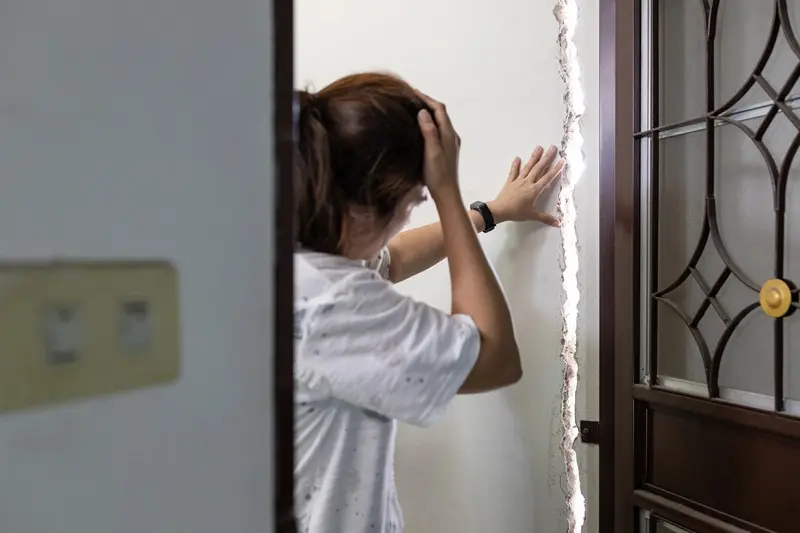
Step 1: Inspecting The Crack & Assessing The Risk
Foundation repair always starts with a close look, because not every crack is a cause for panic. Professionals use this first step to figure out what’s going on and whether immediate action is needed.
Visual Inspection & Early Signs
The inspection begins with a walk-through of the affected areas, inside and out. Pros look for crack patterns, vertical, horizontal, diagonal, as well as signs of moisture, separation around windows or doors, or sloping floors.
These visual cues help determine whether the crack is likely due to natural settling or something more serious.
Measuring & Monitoring Cracks
Next, technicians measure the width, depth, and length of the cracks. They may also place small gauges or take photos to monitor whether the crack is growing over time. Some cracks stop moving and remain cosmetic, while others continue to shift, pointing to ongoing foundation movement.
Identifying Underlying Causes
Once the surface signs are documented, attention turns to what’s happening below the home. In Warrenton, this often involves checking for poor drainage, shifting clay soil, or signs of erosion near the foundation. By identifying the root cause, not just the crack itself, professionals can recommend repairs that actually last.
A thorough inspection is more than just looking at a wall. It’s about reading the story the crack is telling, and making sure the solution fits the problem. That’s how you get repairs that work, not just ones that look good for a while.
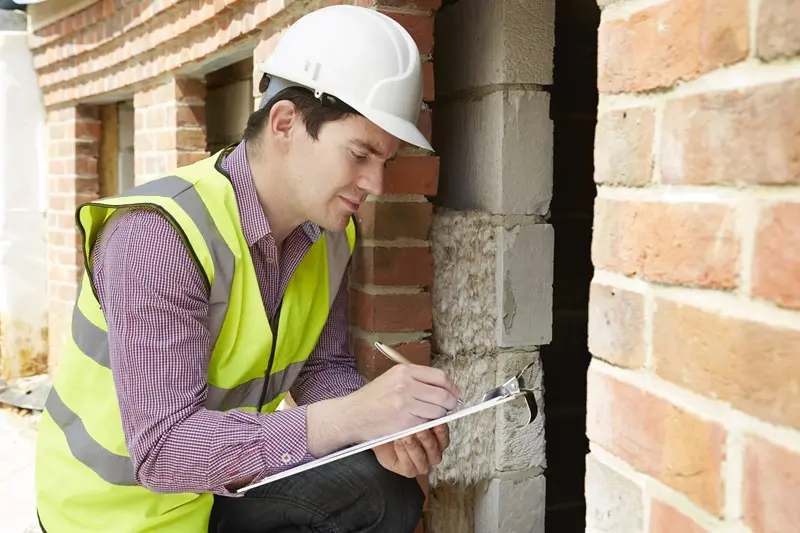
Step 2: Diagnosing The Problem & Recommending The Right Fix
Once the initial inspection is complete, the next step is turning what was found into a clear plan of action. That means understanding why the crack formed, and choosing a repair method that targets the actual cause.
| What the Crack Shows | Recommended Repair Approach |
|---|---|
| Thin, vertical crack from natural settling. | Monitor or seal with epoxy/polyurethane injection to prevent moisture intrusion. |
| Wide horizontal crack with wall bowing. | Reinforce with carbon fiber straps or wall anchors to stabilize lateral pressure. |
| Diagonal crack near the window or door frame. | Structural assessment and soil stabilization may be needed before sealing. |
| Stair-step crack in block or brick walls. | Pier system installation or soil correction may be required to stop the foundation shift. |
| Cracks with signs of active water intrusion. | Combine crack sealing with drainage correction or waterproofing. |
Not every crack calls for the same solution, and that’s the point of proper diagnosis. In Warrenton homes, especially with varied construction styles and clay-heavy soil, matching the repair to the cause is what prevents repeat problems.
Professional diagnosis doesn’t just save time, it prevents over-repairing or under-repairing the issue. That’s how you protect your investment the smart way.
Step 3: How The Repair Is Done, Start To Finish
Once the plan is in place, the actual repair begins. For most homeowners, this part is less disruptive than expected, especially when professionals come prepared to protect your home and get the job done right.
Preparing The Area & Protecting Your Home
Before any work begins, the crew clears the space around the crack, moving furniture if indoors, and digging if it’s an exterior wall. Protective covers are laid down to shield floors or landscaping, and nearby utilities are checked to prevent disruption. This prep work makes sure the job stays clean and controlled.
Performing The Repair
The exact method depends on the diagnosis. Common indoor repairs include injecting epoxy or polyurethane into the crack, which bonds the concrete and keeps out moisture.
For structural problems, carbon fiber straps, steel reinforcements, or wall anchors may be installed. If the issue is caused by soil movement, piers or helical piles might be driven into the ground to stabilize the foundation.
Clean-Up & Final Walkthrough
Once the repair is complete, everything is cleaned and restored to its original condition as much as possible. If exterior digging was done, the soil is backfilled and compacted.
Indoors, walls may be patched and repainted. Before the crew leaves, a final walkthrough ensures the homeowner understands what was done and what to watch for moving forward.
In most cases, foundation crack repairs can be completed in a day or two. And when done right, they give your home a strong footing again, without weeks of noise, dust, or mess.
Step 4: What Happens After The Repair, Follow-Up & Monitoring
Foundation repairs aren’t a “set it and forget it” situation. Even after the crack is sealed or the structure is stabilized, the ground around your home continues to shift with the weather and time. That’s why the final step is all about keeping an eye on things.
Watching For New Movement
Professionals often recommend watching for signs that may indicate the foundation is shifting again. These include new cracks, doors that go out of alignment, or flooring that starts to slope.
In some cases, monitoring gauges or crack monitors may be installed to track movement over time and catch problems early if they return.
Seasonal Shifts Matter
In a climate like Warrenton’s, seasonal weather plays a major role in how your foundation behaves. Heavy spring rains may swell the soil, while dry summer spells can cause it to shrink.
Professionals who understand local conditions may schedule a follow-up visit after a season change to reassess any high-risk areas.
Keeping Water Away Is Key
Monitoring doesn’t stop at the concrete. Homeowners are usually advised to keep gutters clean, maintain proper grading, and ensure downspouts carry water away from the foundation. These small actions can prevent moisture buildup that might lead to future soil movement and cracking.
A good foundation repair doesn’t just fix what’s visible; it plans for what could happen next. Ongoing attention, paired with a bit of maintenance, gives your home the best chance to stay stable and strong for years to come.
Frequently Asked Questions About The Crack Repair Process
Foundation repairs can feel intimidating, especially if it’s your first time dealing with structural issues. Below are some of the most common questions homeowners ask during the crack repair process.
A Solid Repair Starts With The Right Foundation Team
Cracks in your foundation aren’t something you want to guess your way through. Whether it’s your first time seeing one or part of an ongoing issue, the process works best when handled by professionals who’ve seen it all. In a place like Warrenton, where soil movement is common, every crack tells a story.
The key is working with a crew that knows how to read it and fix the cause, not just the surface. That’s where Top Dog comes in. We handle every step of the repair process, from inspection to clean-up, with precision and care.
Our team brings local experience, advanced tools, and clear communication to every project. You’ll never be left guessing about what comes next. If you’ve spotted a crack, don’t wait.
Schedule your foundation inspection with Top Dog today and take the first step toward a safer, stronger home.
About the Author: Rod Heiston

Schedule Your Consultation Today!
Recent Posts!
Takeaways: Wet seasons in Warrenton bring high humidity, which often settles in the basement. Dehumidifiers help control indoor moisture, [...]
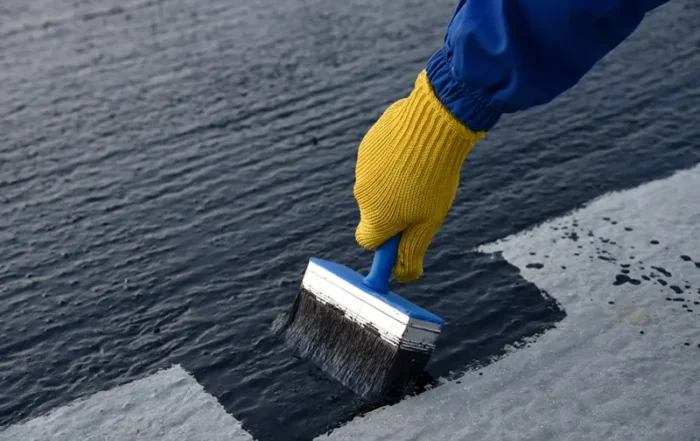
Overview: Basement waterproofing methods fall into two main categories: interior and exterior. Interior systems manage water after it enters, [...]
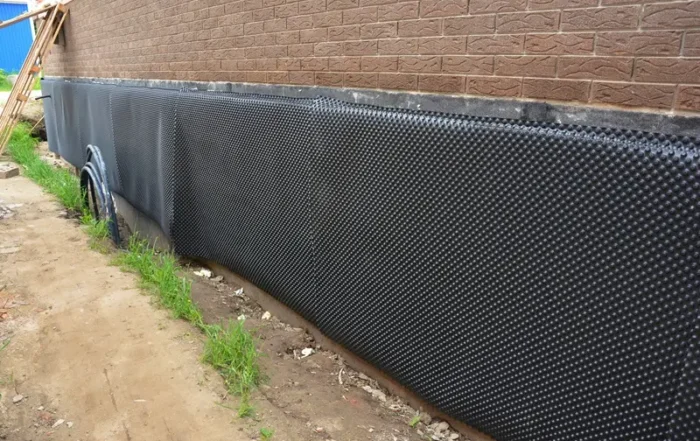
Quick Recap: Not all waterproofing contractors are created equal. The right one should understand Warrenton’s soil, offer written estimates, [...]