
TL;DR:
Basement moisture is common in Warrenton due to heavy clay soil, improper grading, clogged gutters, and fluctuating weather. Water seeps in through walls, floors, or cracks, often slowly and silently. Understanding the root causes helps prevent bigger problems like mold or structural damage. Early solutions are usually less invasive and more affordable.
Waking up to a damp basement, or worse, standing water, is a headache no homeowner wants. But in a place like Warrenton, it’s an issue caused by things most people don’t see until it’s too late. So homeowners must plan early how to prevent these common occurrences from happening.
Between the clay-rich soil, older home construction, and unpredictable weather, this region sets the stage for moisture problems. The key to fixing the issue is knowing where the water’s really coming from. Warrenton basement waterproofing experts know what to do to protect your home.
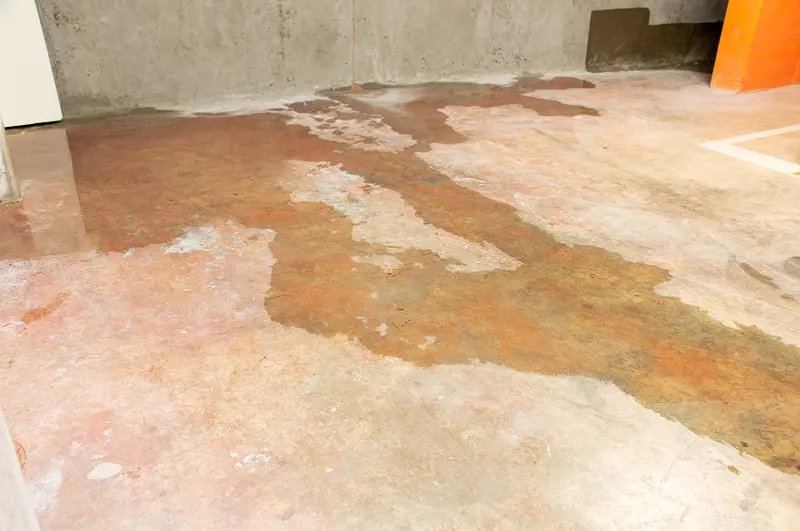
How Soil & Climate Contribute To Basement Moisture
Basement water problems aren’t just about cracks or gutters; they often start with what’s beneath and around your home. In Warrenton, the local soil and weather patterns quietly create ideal conditions for moisture to creep in.
Clay-Rich Soil That Expands & Contracts
Warrenton sits on heavy clay soil, which behaves differently from sand or loam. When saturated, clay swells and puts pressure on basement walls. In dry conditions, it shrinks and pulls away, creating voids that allow water to travel downward.
This constant cycle of expansion and contraction stresses the foundation and opens new paths for seepage.
Heavy Rainfall & Water Table Fluctuations
Northern Virginia sees a lot of rain throughout the year, especially in spring and fall. When the ground becomes oversaturated, water has nowhere else to go but toward your home’s foundation.
If your basement isn’t sealed or properly drained, that pressure eventually finds its way inside through floor joints, wall seams, or hairline cracks.
Freeze-Thaw Cycles That Stress Foundations
As temperatures drop in winter, any water trapped in or around the foundation can freeze and expand. When it thaws, it leaves behind cracks or widened gaps. Over time, this seasonal cycle weakens concrete and masonry, increasing the chance of leaks the next time it rains.
While these conditions can’t be controlled, how your home handles them can. Recognizing the role local climate and soil play in moisture problems is the first step toward lasting basement protection.
Where The Water Comes From: Inside Vs. Outside Sources
Basement moisture can creep in from multiple angles, and it’s not always easy to tell where it started. Understanding whether the source is internal or external helps narrow the fix and avoid repeat problems.
| Moisture Source | What It Means & How It Affects Your Basement |
|---|---|
| Poor Yard Grading | If your yard slopes toward the house, rainwater flows directly to your foundation. Over time, it seeps through walls or floor joints. |
| Clogged Gutters & Downspouts | Backed-up gutters overflow, dumping water near the foundation instead of carrying it away. That excess moisture builds pressure and finds entry points. |
| Cracked Foundation Walls | Small cracks widen over time and become easy entryways for groundwater, especially during wet seasons or after storms. |
| Interior Plumbing Leaks | A leaking water heater, washer, or pipe can mimic signs of outside seepage. But this type of moisture comes from within and requires immediate repair. |
| High Indoor Humidity or Condensation | Poor ventilation or lack of dehumidification causes damp air to settle on cooler surfaces. It can lead to musty smells, mold, and visible moisture, even without a leak. |
Identifying the source is half the battle. In many Warrenton homes, water issues stem from a combination of both inside and outside conditions. A targeted solution starts with knowing where to look and what to rule out.
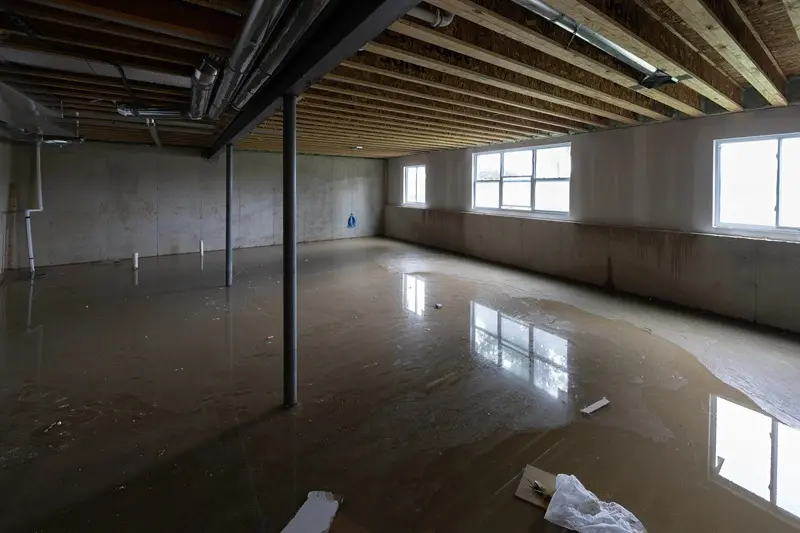
Warning Signs You Might Have A Basement Water Problem
Not all basement water issues start with a puddle. Many show up in subtle ways first, quiet signs that moisture is present, even if it hasn’t flooded in. Catching them early can save you thousands in repairs.
Musty Smells & Damp Air
If your basement smells earthy, stale, or damp, there’s likely moisture hanging in the air. Even without visible water, that smell is a red flag, often caused by high humidity or hidden leaks.
Water Stains Or Efflorescence On Walls
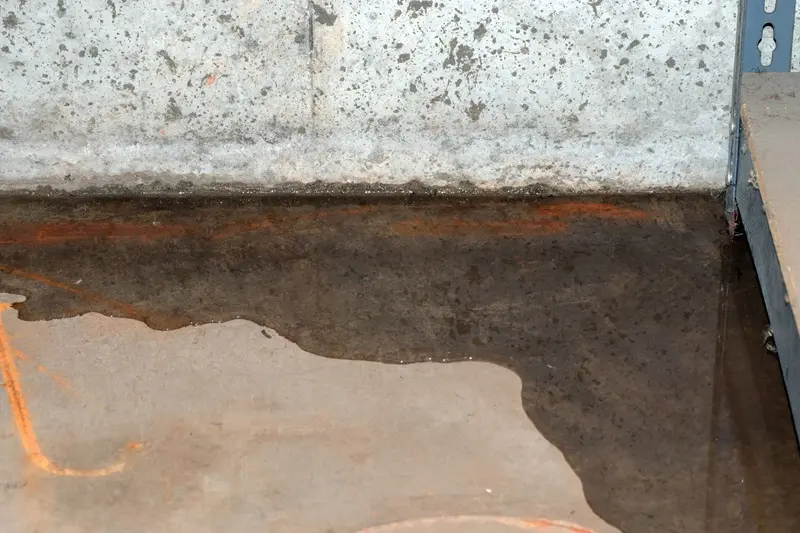
Look for brownish stains, white powdery buildup, or streaks running down basement walls. These often signal that water has entered and dried repeatedly, leaving behind mineral residue or discoloration.
Peeling Paint Or Warped Baseboards
When moisture gets behind finished surfaces, paint can bubble, peel, or flake. Baseboards may pull away or swell. These signs usually show up before you ever see visible water.
Cracks In Floors Or Walls
Hairline cracks aren’t always serious, but when they widen or appear near joints, it’s time to take a closer look. Water often enters through these points and causes further expansion if ignored.
Mold Or Mildew Growth In Hidden Areas
If you notice mold around insulation, behind storage items, or tucked into corners, moisture is hanging around longer than it should. Mold thrives in damp, unventilated spaces and spreads quickly.
In Warrenton, where ground moisture rises and falls with the seasons, these signs often show up slowly. But once they appear, they’re a signal that your basement needs attention before things get worse.
Waterproofing Is A Long-Term Solution For Basement Leaks
When moisture finds its way into your basement, waterproofing is the long-term solution. It’s more than just patching cracks; it’s about building a barrier that keeps water out for good. Here’s how professionals get it done.
Interior Sealants & Waterproof Coatings
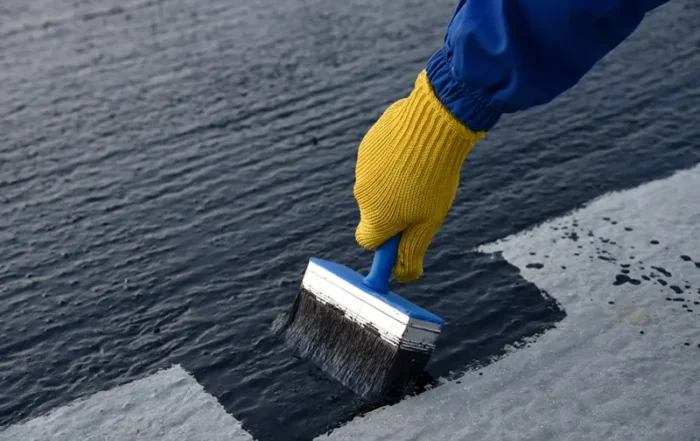
One of the first lines of defense is applying waterproof coatings to interior basement walls. These sealants, usually cement-based, create a moisture-resistant layer over concrete or masonry.
While they don’t stop water pressure from the outside, they help block minor seepage and improve air quality by reducing dampness inside.
Epoxy & Polyurethane Crack Injections
For active leaks through cracks, injection methods are used to seal them from the inside. Polyurethane foam expands to fill gaps and stay flexible, even as your foundation shifts. Epoxy is stronger and best used for structural cracks. These methods are ideal for stopping water without needing exterior excavation.
Interior Drainage Systems (French Drains)
Interior perimeter drains are installed beneath the basement floor, along the foundation walls. These channels collect water that enters through the footing or wall seams and direct it into a sump pump system. This method doesn’t prevent water from entering the soil, but it keeps it from flooding your basement.
Sump Pump Installation & Backup Systems
A sump pump is the workhorse of most basement waterproofing systems. It collects water from interior drainage channels and ejects it safely away from your home. In areas like Warrenton that experience sudden downpours, a battery backup system ensures protection even if the power goes out.
Exterior Waterproofing For Complete Protection
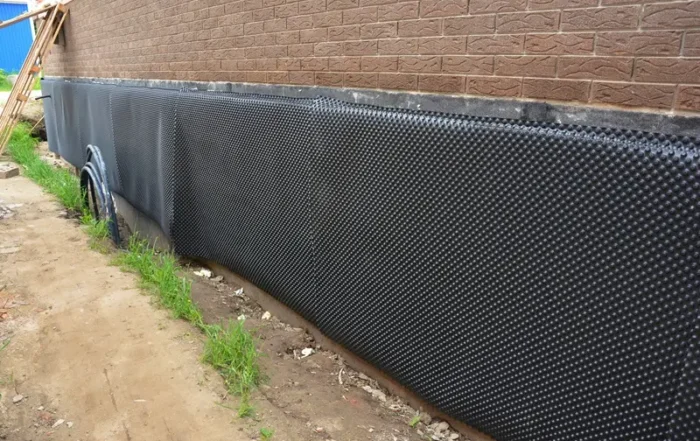
The most thorough method involves digging around the exterior foundation, cleaning the walls, applying a waterproof membrane, and installing a drainage board and gravel backfill. This prevents water from ever reaching your interior walls. While more labor-intensive, it’s often the best option for homes with chronic water intrusion.
Waterproofing isn’t just about stopping a current leak; it’s about preventing future damage to your foundation, structure, and air quality. Choosing the right method depends on how water is entering and how much protection your home really needs.
Frequently Asked Questions About Basement Water Issues
Still unsure whether what you’re seeing in your basement is serious, or how waterproofing helps? Here are answers to a few questions homeowners ask most often.
Protect What’s Below Before It Becomes A Bigger Problem
Water in the basement isn’t just an inconvenience. It’s a threat to your foundation, your air quality, and the value of your home. Even minor moisture can lead to major repairs if it’s left unaddressed.
In Warrenton, the combination of heavy clay soil and unpredictable weather makes basement water issues a recurring challenge for many homeowners. That’s why a one-size-fits-all approach doesn’t work here.
Professionally installed waterproofing systems don’t just stop leaks; they help prevent future damage. From interior sealants to full exterior barriers, the right solution keeps your basement dry, clean, and safe year-round.
The team at Top Dog specializes in diagnosing basement moisture issues and applying long-term fixes that actually work. They understand local soil conditions and use proven techniques to protect homes like yours.
If you’re dealing with damp walls, musty smells, or standing water, don’t wait. Contact Top Dog for a full basement waterproofing evaluation today.
About the Author: Rod Heiston

Schedule Your Consultation Today!
Recent Posts!
Takeaways: Wet seasons in Warrenton bring high humidity, which often settles in the basement. Dehumidifiers help control indoor moisture, [...]
Overview: Basement waterproofing methods fall into two main categories: interior and exterior. Interior systems manage water after it enters, [...]
Quick Recap: Not all waterproofing contractors are created equal. The right one should understand Warrenton’s soil, offer written estimates, [...]