
Overview:
Basement waterproofing methods fall into two main categories: interior and exterior. Interior systems manage water after it enters, while exterior systems stop it before it gets in. Both have pros and cons depending on your home’s age, foundation type, and water issues. Choosing the right one protects your home from mold, damage, and costly repairs.
Basement leaks don’t all start in the same place, and they definitely don’t all need the same fix. The right waterproofing solution depends on where the water’s coming from, how your home was built, and what kind of protection you want.
Whether you’re dealing with constant puddles or subtle dampness, knowing the difference between interior and exterior systems can help you make the right call. When you work with a trusted Warrenton basement waterproofing contractor, it helps you avoid spending more than you need to.
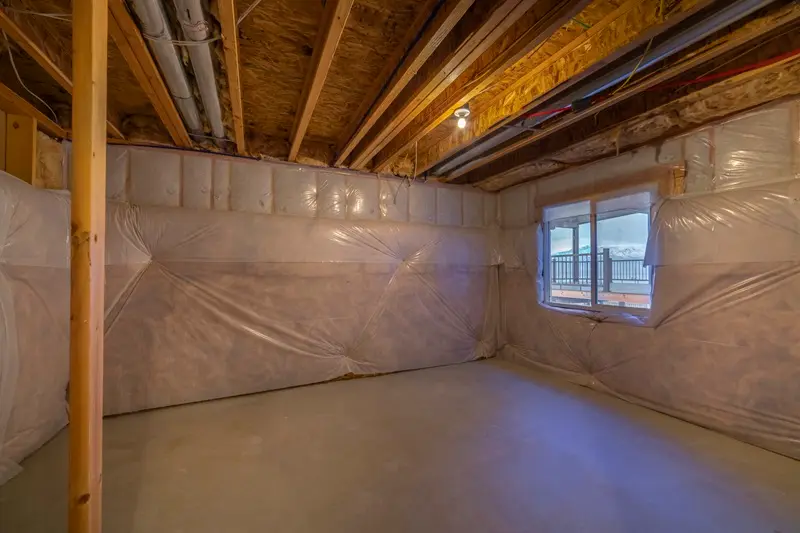
What Does Interior Basement Waterproofing Mean?
When basement moisture shows up inside, whether through wall cracks, floor seams, or rising humidity, interior waterproofing systems are often the fastest and most cost-effective solution. These setups are designed to manage water that’s already made its way in, keeping your living space dry and usable.
What Interior Waterproofing Does
Interior waterproofing focuses on redirecting water after it enters. It doesn’t stop moisture from getting to your foundation, but it controls where that water goes.
Systems like French drains, sump pumps, and vapor barriers capture and move water away from your basement floor and walls to a safe discharge point.
How Interior Systems Are Installed
Installation usually involves cutting into the concrete floor around the basement’s perimeter. A drainage trench is dug, fitted with perforated pipe or drain tile, then covered with gravel and concrete.
Water that seeps in flows into this drain and is carried to a sump pump, which ejects it from the home. In finished basements, vapor barriers may be added behind wall panels to block moisture.
Pros & Cons Of Interior Waterproofing
Here are the pros:
- Less invasive than exterior work.
- Typically, more affordable.
- Can be completed in one to three days.
- Great for managing ongoing seepage or humidity issues.
Here are the cons:
- Doesn’t prevent water from reaching the foundation.
- May not resolve pressure-related cracks or structural damage.
- Requires electricity and maintenance (especially sump pumps).
Interior waterproofing is a smart choice when water problems are manageable, and you want fast results. It’s also ideal in homes where exterior access is limited by landscaping, decks, or neighboring structures.
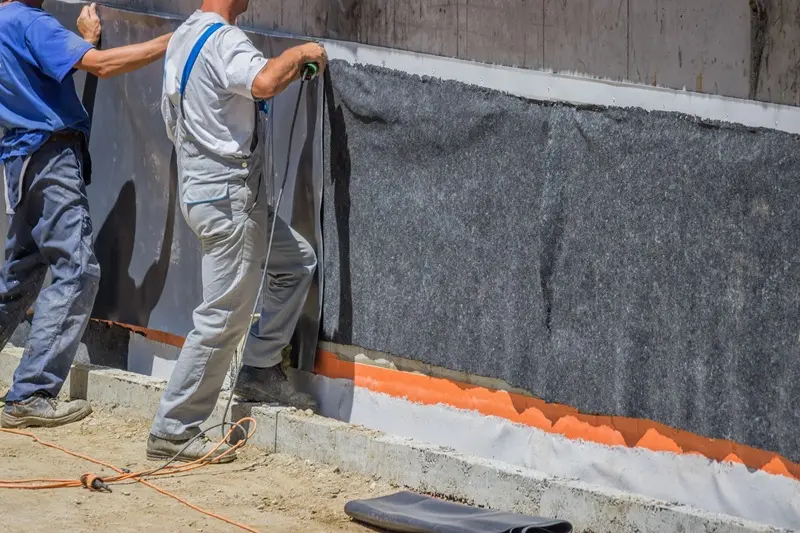
What Exterior Basement Waterproofing Does & When You Need It
If water is making its way through your foundation walls, or if you want to stop future leaks before they start, exterior waterproofing offers the most comprehensive line of defense. While more labor-intensive, it tackles the problem at the source: outside your home.
What Waterproofing Does
Unlike interior systems that manage water after it enters, exterior waterproofing blocks it from ever reaching your basement. These systems involve sealing the outside of your foundation walls, improving soil drainage, and redirecting surface water away from the home entirely.
It’s a long-term fix for homes facing high groundwater pressure or chronic seepage.
How Exterior Systems Are Installed
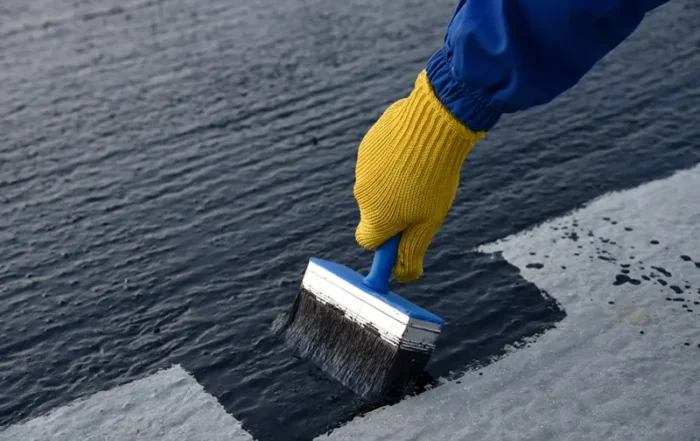
The process starts with excavation. Soil is carefully removed from around the home’s foundation, exposing the full wall surface. From there, contractors clean and inspect the foundation and apply a waterproof membrane (like rubberized asphalt or sheet membranes).
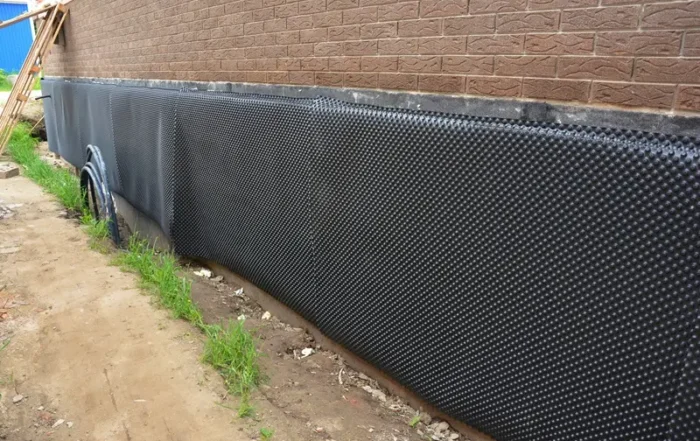
Then, they install drainage panels or boards to move water downward. A French drain or footing drain is placed at the base to carry water away, often to a storm sewer or dry well.
Pros & Cons Of Exterior Waterproofing
Here are the pros:
- Stops water before it ever reaches the basement.
- Reduces hydrostatic pressure on foundation walls.
- Ideal for homes with major leaks or exterior cracks.
- Long-lasting solution when properly installed.
The cons are:
- Higher upfront cost.
- Requires digging and potential disruption to landscaping.
- Longer project timeline (often 3 to 7 days).
Exterior waterproofing is the right call for homes with significant water intrusion, foundation wall damage, or no prior waterproofing. It’s especially effective in older homes around Warrenton, where soil pressure and age combine to create tough moisture problems.
Comparison Of Interior Vs. Exterior Waterproofing
If you’re deciding between interior and exterior waterproofing, the right choice often depends on how serious your water issue is and what kind of access you have around your home. This chart breaks down how the two methods compare across key factors.
| Category | Interior Waterproofing | Exterior Waterproofing |
|---|---|---|
| Purpose & Water Control | Redirects water that has already entered the basement. | Blocks water from ever reaching the foundation walls. |
| Installation Method | Installed along the inside of the basement walls and under the floor. | Excavation around the home’s exterior, sealing and draining water at the foundation. |
| Typical Timeline | 1–3 days, depending on basement size and scope. | 3–7 days due to digging, drainage, and membrane application. |
| Ideal For… | Finished basements with seepage, mild water issues, or limited yard access. | Homes with major leaks, exterior cracks, or long-term protection needs. |
| Long-Term Durability | Highly effective with proper maintenance; may need pump servicing. | More permanent; protects foundation walls directly from moisture and pressure. |
| Cost Range | $2,000–$7,000 depending on system size and complexity. | $8,000–$20,000+, depending on depth, materials, and access around the home. |
| Disruption to Home or Yard | Minimal; most work done inside with limited mess. | Significant: excavation impacts landscaping and exterior access. |
While both options offer solid protection, exterior systems tend to last longer and address more serious problems at the source. That said, interior solutions work well for managing smaller leaks or when budget and access are limited.
Common Misconceptions About Basement Waterproofing Systems
Choosing the right waterproofing method gets harder when misinformation spreads. Some fixes sound easier (or cheaper) than they really are. Clearing up the most common myths can help you avoid solutions that don’t stick.
All Waterproofing Methods Work The Same
Not true. Interior and exterior systems serve different purposes. One handles water after it enters, while the other stops it at the source. Picking the wrong method can lead to more water problems, not fewer.
Waterproof Paint Or Sealant Is Enough
Those big-box store sealants might look promising, but they’re surface-level only. They don’t stop water pressure or prevent new cracks. Without drainage or barrier systems, paint won’t hold back rising moisture for long.
Exterior Waterproofing Always Costs Too Much
While exterior work can be more expensive up front, it’s often more durable in the long run. In homes with serious seepage or wall damage, interior fixes alone can’t stop the problem, leading to more repairs later.
If The Basement Is Dry Now, It’s Not A Problem
Even if you don’t see standing water, that doesn’t mean you’re in the clear. Musty smells, slight dampness, or tiny wall cracks are all early signs. Ignoring them often means bigger (and more expensive) problems down the road.
One System Fixes Every Basement Issue
No two basements are the same. Some homes need both interior and exterior protection, or upgrades to drainage or grading outside. A quality contractor tailors the solution to your foundation, not a one-size-fits-all plan.
When it comes to waterproofing, doing it right means looking past shortcuts and common advice. The best solution isn’t always the fastest; it’s the one that truly protects your home for years to come.
The best waterproofing choice is the one that matches your home’s structure, soil conditions, and long-term goals, not just the lowest price on paper.
FAQs About Basement Waterproofing Systems
Still deciding between interior and exterior waterproofing? These quick answers can help clarify the process and what to expect when protecting your home from moisture.
Your Basement Deserves More Than A Temporary Fix
Waterproofing isn’t just about drying up today’s leak; it’s about protecting your home for the long haul. The system you choose plays a big role in how well that protection holds up.
In Warrenton, where heavy rain and shifting soil are common, both interior and exterior systems have their place. The key is knowing which one fits your foundation best.
That’s where Top Dog comes in. Their team takes the time to inspect, explain, and recommend the solution that actually solves your basement moisture issues.
If you’re seeing signs of dampness, don’t wait. Schedule a professional basement waterproofing evaluation with Top Dog and get a plan built to last.
About the Author: Rod Heiston

Schedule Your Consultation Today!
Recent Posts!
Takeaways: Wet seasons in Warrenton bring high humidity, which often settles in the basement. Dehumidifiers help control indoor moisture, [...]
Overview: Basement waterproofing methods fall into two main categories: interior and exterior. Interior systems manage water after it enters, [...]
Quick Recap: Not all waterproofing contractors are created equal. The right one should understand Warrenton’s soil, offer written estimates, [...]