Overview:
Carbon fiber straps offer a modern way to reinforce cracked or bowing foundation walls. They’re strong, low-profile, and installed with minimal mess. Unlike bulky steel beams, they don’t take up space or require excavation. In homes across Warrenton, carbon fiber has become a trusted solution for long-term wall stabilization.
When a foundation wall starts to bow or crack, it’s a warning sign, not just a cosmetic issue. Ignoring it allows pressure from the soil outside to keep pushing, making the wall weaker over time.
Where clay soil expands and contracts with the seasons, carbon fiber straps offer a fast, reliable fix that doesn’t involve major demolition. They’re strong, nearly invisible once installed, and built to last.
What Causes Foundation Walls To Bow Or Crack?
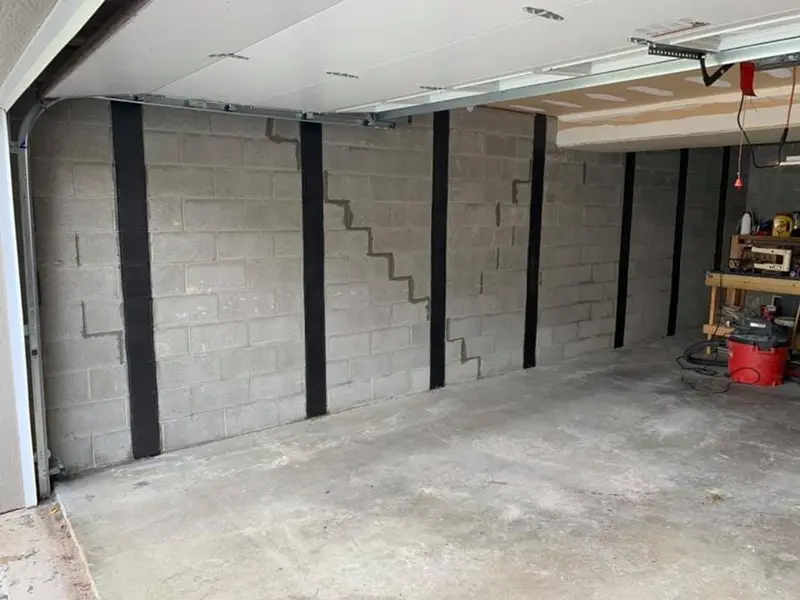
Most foundation walls are built to last, but they’re not immune to pressure from the outside. Over time, certain conditions put more stress on those walls than they were designed to handle.
Expansive Soil Pressure
In places like Warrenton, the clay-heavy soil expands significantly when wet and contracts when dry. This constant push-and-pull creates sideways pressure against basement walls, causing them to bow inward or form horizontal cracks.
Poor Exterior Drainage
If water isn’t draining away from your home properly, it builds up around the foundation. Saturated soil becomes heavier and exerts more force against the wall. Over time, that constant moisture can also weaken the concrete itself.
Heavy Rainfall Or Snowmelt
Sudden increases in groundwater, like after a major storm or thaw, can rapidly swell the soil surrounding your foundation. This short-term pressure surge often leads to new cracks or worsens existing ones.
Tree Roots & Landscaping Pressure
Tree roots don’t just seek water; they also displace soil. Large roots growing too close to the home can push against the foundation, while poorly placed retaining walls or garden beds can direct pressure toward your basement walls.
Inadequate Original Construction
Sometimes, the issue isn’t what’s happening outside; it’s how the wall was built. Shallow footings, poor-quality materials, or a lack of reinforcement can all make a wall more vulnerable to movement and cracking over time.
Cracks and bowing don’t usually appear overnight. They’re the result of years of quiet pressure from the soil, water, and environment around your home. Recognizing the source of that stress is the first step toward the right kind of repair.
Carbon Fiber Straps Vs. Other Foundation Repair Methods
Not all foundation problems need the same solution. The right repair depends on how far the wall has moved, the condition of the home, and the long-term stability of the soil around it. Here’s how carbon fiber stacks up.
| Repair MethodRepair Method | How It Works & What to Expect |
|---|---|
| Carbon Fiber Straps | Lightweight, high-strength straps are bonded to the wall to prevent further bowing or movement. Non-invasive, fast to install, and nearly invisible once painted. Best for early-stage or moderate wall movement. |
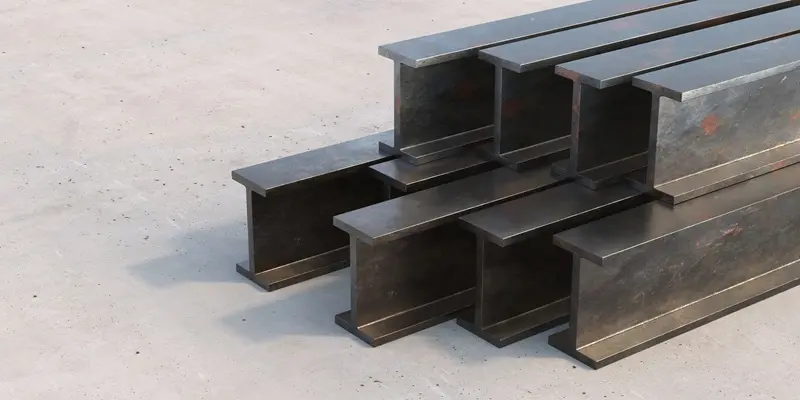
| Steel I-Beams | Vertical steel beams are anchored to the floor and ceiling joists to brace the wall. Effective for severe bowing, but takes up interior space and may require excavation for full support. |
| Wall Anchors | Steel plates are installed on the inside and connected to buried anchors in the yard. Pulls the wall back over time. Requires exterior digging and yard space. |
| Exterior Excavation & Bracing | Soil is removed, the wall is straightened, and bracing is added from the outside. Effective but labor-intensive and disruptive to landscaping. |
| Full Wall Rebuild | The old foundation wall has been demolished and rebuilt. Only used in extreme cases where the structure is no longer salvageable. Costly and time-consuming. |
For many Warrenton homeowners, carbon fiber offers the best balance of strength, speed, and minimal disruption, especially when the problem is caught early. It’s a clean solution that works without turning your basement into a construction zone.
How To Install Carbon Fiber Straps
Installing carbon fiber straps isn’t loud or messy, but it does require precision. When done right, this process takes just a day or two and leaves your basement stronger without a major construction zone.
Prepping The Wall & Marking Strap Locations
Before anything is installed, the wall is cleaned and prepped. Any paint, dirt, or loose material is removed to ensure the epoxy bonds well. Then, installers measure and mark out where each strap will go, usually spaced every four to six feet, depending on how much movement has occurred.
Applying Epoxy & Setting The Carbon Fiber
A high-strength epoxy resin is applied directly to the wall surface, followed by the carbon fiber strap itself. The strap is firmly pressed into place, and sometimes mechanical anchors are added at the top and bottom for extra hold.
Once the epoxy cures, the strap becomes part of the wall structure, reinforcing it against future bowing.
Final Curing, Cleanup, & Finishing Touches
After the straps are in place, they’re allowed to cure fully, usually within 24 to 48 hours. Once cured, the straps can be painted over to match the wall, leaving a clean, low-profile finish. There’s no need to move plumbing, tear out drywall, or dig up your yard.
For Warrenton homeowners dealing with early signs of wall movement, this installation process is one of the fastest, cleanest ways to restore peace of mind and structural stability.
Why More Homeowners Are Choosing Carbon Fiber
When a foundation wall starts to bow or crack, you don’t always need a massive construction project. Carbon fiber straps offer a smart, low-impact alternative, and more homeowners in Warrenton are seeing the benefits firsthand.
No Heavy Equipment Or Major Disruption
Carbon fiber installation doesn’t require excavators, jackhammers, or days of noise. The process happens entirely inside your basement, with no digging and very little disruption to your daily routine.
Slim Profile That Saves Basement Space
Unlike bulky steel beams, carbon fiber straps sit flush against the wall. That means you don’t lose valuable basement space, especially important if you use the area for storage, a home gym, or a finished living space.
Long-Term Strength That Won’t Rust
Carbon fiber is stronger than steel by weight and doesn’t corrode or degrade over time. Once bonded to the wall, it reinforces the structure permanently without maintenance or worry about rust.
Fast Installation With Minimal Mess
Most carbon fiber jobs are completed in a day or two. There’s no need to rip out drywall or move plumbing, and cleanup is quick. For homeowners, that means less stress and faster peace of mind.
Budget-Friendly Compared To Other Options
Because it avoids excavation and labor-heavy methods, carbon fiber often costs less than wall anchors or rebuilds. And since it lasts, it can be one of the most cost-effective long-term solutions available.
If you’re dealing with foundation wall movement, carbon fiber might be the cleanest and smartest fix out there. The sooner it’s installed, the more damage you can prevent.
When Carbon Fiber Is (& Isn’t) The Right Fix
Carbon fiber straps are powerful, but they’re not a cure-all. Like any repair method, they work best under certain conditions and may not be appropriate for every foundation issue.
Ideal For Early To Moderate Bowing
Carbon fiber works best when the wall has moved inward two inches or less. At this stage, the structure can still be reinforced without excavation or realignment. If caught early, straps prevent the need for more invasive repairs down the road.
Not For Severely Damaged Walls
If the wall is already tilting, shearing at the base, or has moved more than two inches, carbon fiber alone isn’t enough. In those cases, steel reinforcement, wall anchors, or even excavation may be required to stabilize or rebuild the wall.
When Soil Or Water Is Still A Problem
Carbon fiber solves wall movement, but it doesn’t fix drainage issues. If water is still pooling around your foundation or the soil continues to shift, those root causes must be addressed. Otherwise, new pressure will find new weak points.
Good For Finished Basements
Because of its low profile, carbon fiber is perfect for homes where space matters. If you plan to finish or already use your basement, straps won’t interfere with drywall, shelving, or access.
Carbon fiber is a great option when the timing, structure, and conditions are right. A professional can help you decide if it’s the best fit or if another method would give your home better protection.
Strengthen Your Walls Without Tearing Up Your Home
Foundation issues can feel frustrating, especially when you hear words like “structural movement” or “reinforcement.” But not every fix means major demolition or weeks of downtime.
Carbon fiber straps give you a clean, proven way to stop wall movement early, and they don’t take up space or require digging. Its real strength with small footprint.
In places like Warrenton, where shifting soil and seasonal rain are part of life, acting early makes a huge difference. Catching the problem before it gets worse helps you avoid big repair bills later.
That’s why more local homeowners are turning to Top Dog for fast, professional installation of carbon fiber reinforcement. If your basement walls are bowing or cracked, don’t wait.
Schedule a foundation evaluation with Top Dog today and get ahead of the pressure, literally.
About the Author: Rod Heiston

Schedule Your Consultation Today!
Recent Posts!
Takeaways: Wet seasons in Warrenton bring high humidity, which often settles in the basement. Dehumidifiers help control indoor moisture, [...]
Overview: Basement waterproofing methods fall into two main categories: interior and exterior. Interior systems manage water after it enters, [...]
Quick Recap: Not all waterproofing contractors are created equal. The right one should understand Warrenton’s soil, offer written estimates, [...]