
Summary:
Crawlspace encapsulation protects your home from hidden moisture damage and improves energy efficiency. The right combination of vapor barriers, insulation, and dehumidifiers creates a sealed, stable environment that prevents mold, wood rot, and temperature fluctuations. For homes in Northern Virginia, using quality materials and professional installation helps ensure lasting comfort, cleaner air, and a stronger foundation.
Encapsulating your crawlspace is one of the best ways to protect your home from moisture damage, improve air quality, and boost energy efficiency. But the success of that project also depends on the materials you choose. Every crawlspace is different, and the right combination of vapor barriers, insulation, and dehumidifiers can make a difference in long-term performance.
For homeowners in Northern Virginia, where humidity, clay soil, and temperature swings are common, choosing the right materials means fewer repairs, better comfort, and a healthier foundation. Take a look at the key materials used in encapsulation and how they work to protect your home.
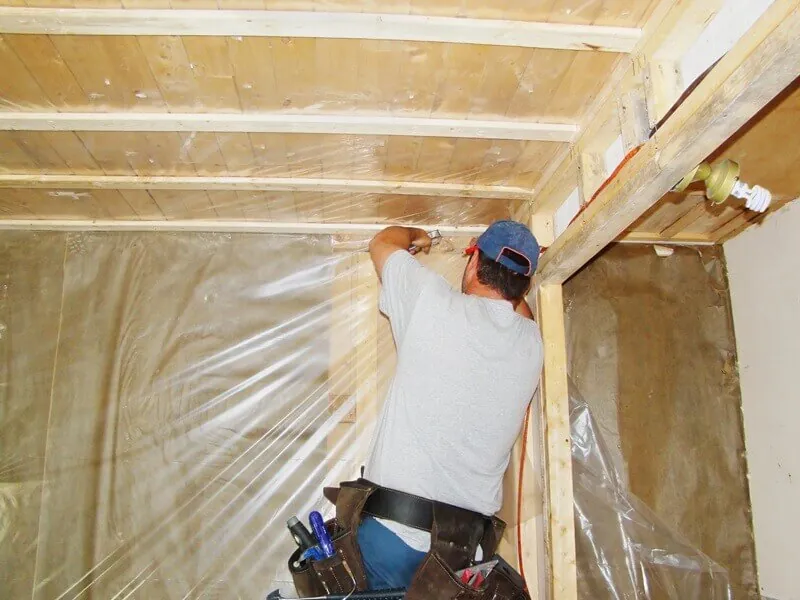
Vapor Barriers: The First Line Of Defense
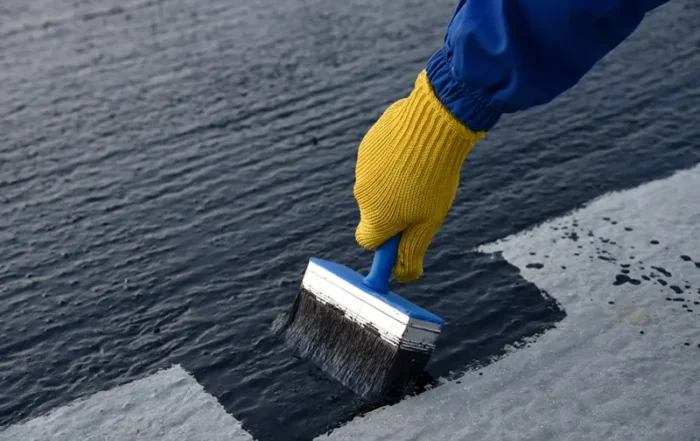
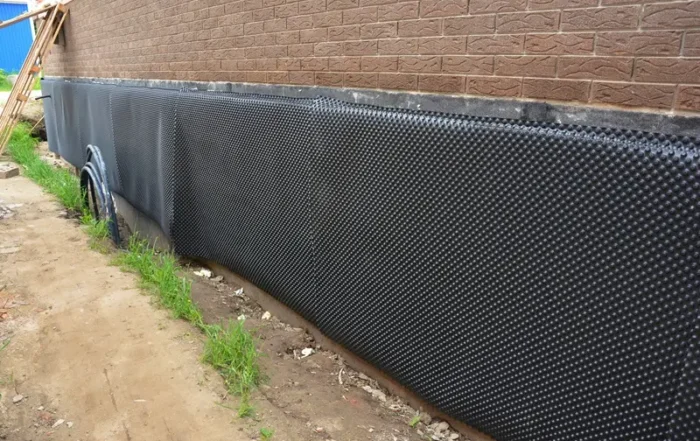
A vapor barrier is a thick, waterproof sheet, usually made from polyethylene or reinforced plastic, that covers the crawlspace floor and walls. Its main job is to block ground moisture from evaporating into the air beneath your home. Once sealed, it creates a continuous layer that keeps humidity and damp air out.
Pros Of Using Vapor Barriers
A vapor barrier does more than just separate your crawlspace from the damp ground beneath it. It also serves as the first line of defense against moisture, keeping the area dry and protecting your home’s structure over time. Here are the benefits of using this.
-
- Excellent Moisture Protection: A high-quality vapor barrier prevents water vapor from seeping up through the soil, reducing mold and wood rot.
- Improves Air Quality: By keeping humidity low, it prevents musty odors and allergens from spreading throughout your home.
- Long-Term Durability: When properly installed and sealed, vapor barriers can last for years without needing replacement.
- Prevents Pest Problems: Many insects and rodents thrive in damp, humid spaces. A dry, sealed crawlspace makes your home far less appealing to them.
- Enhances Energy Efficiency: With less moisture and more stable air beneath your floors, your HVAC system works more efficiently to maintain indoor comfort.
A vapor barrier might seem simple, but it plays a crucial role in keeping your crawlspace dry and your home protected from hidden moisture problem
Cons Of Using Vapor Barriers
Even though vapor barriers are one of the most reliable forms of moisture control, they’re not perfect. Understanding their limitations helps homeowners know when professional installation is worth it.
- Requires Careful Installation: Wrinkles, gaps, or poor sealing around seams or piers can reduce effectiveness.
- Vulnerable To Damage: Sharp debris or heavy foot traffic can puncture thinner barriers.
- Does Not Regulate Temperature: Vapor barriers control moisture, but they don’t provide insulation against heat or cold.
- May Need Reinforcement: In high-moisture areas, pairing a vapor barrier with drainage systems or dehumidifiers can ensure lasting results.
Despite a few limitations, vapor barriers remain one of the most effective ways to control crawlspace moisture. When installed correctly, they provide a reliable first line of defense that keeps your home dry and protected for years.
Insulation: Stabilizing Temperature & Efficiency
Crawlspace insulation is a material that helps control temperature and prevent heat loss beneath your home. It’s commonly made from fiberglass, rigid foam boards, or spray foam. These materials create a thermal barrier that keeps indoor air comfortable while protecting against condensation and moisture buildup.
Advantages Of Installing Crawlspace Insulation
Adding insulation to your crawlspace makes your home more energy efficient and comfortable year-round. It stabilizes indoor temperatures and reduces the strain on your heating and cooling systems, which can lower energy bills. Insulation also limits condensation buildup that could lead to mold or wood rot and helps maintain a more consistent climate throughout your home.
Disadvantages Of Installing Crawlspace Insulation
Improperly installed insulation can trap moisture instead of blocking it, especially if the vapor barrier beneath it is damaged or missing. Wet insulation can sag, lose effectiveness, and attract pests over time. Some materials may also degrade faster in humid crawlspaces if not properly sealed or maintained.
Why Insulation Remains An Important Investment
When installed correctly and paired with encapsulation materials, crawlspace insulation helps create a healthier, more efficient home. It helps lower energy costs, improves comfort, and adds long-term protection to your foundation. For lasting results, professional installation ensures the right materials and methods are used for your home’s specific conditions.
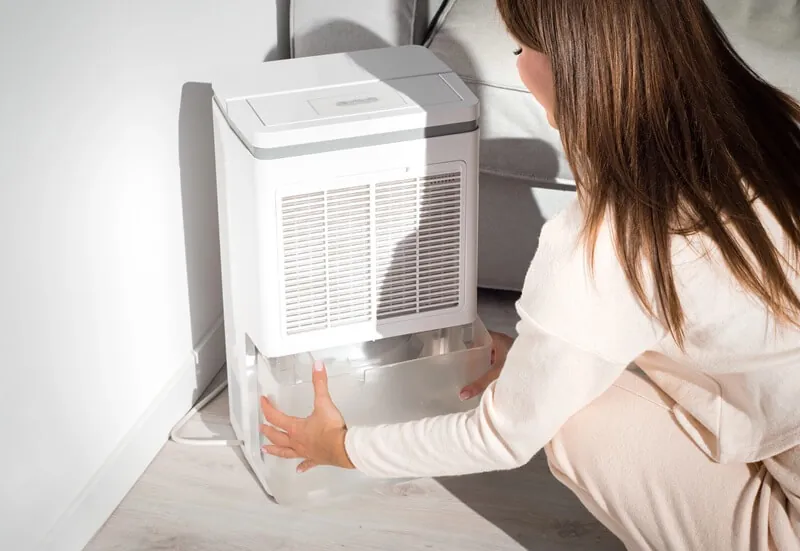
Dehumidifiers: Controlling Moisture Long-Term
Even after sealing and insulating your crawlspace, moisture can still build up due to natural humidity. That’s where a dehumidifier comes in. This system continuously removes excess moisture from the air, maintaining a stable environment and protecting against long-term damage.
Why Dehumidifiers Are Worth Adding To Your Crawlspace
Installing a dehumidifier as part of your crawlspace encapsulation system can make a noticeable difference in your home’s comfort and air quality. Beyond keeping the space dry, it supports the overall health of your foundation and indoor environment. Here are some benefits worth noting.
Consistent Humidity Control
A well-sized crawlspace dehumidifier can keep moisture between 45% and 55%. This balance prevents mold, mildew, and wood decay while protecting insulation and structural materials from dampness.
Healthier Air Quality
By maintaining dry air, a dehumidifier helps reduce allergens, musty odors, and other airborne irritants that can spread through your home. Cleaner air below supports a fresher and healthier environment above.
Low Maintenance Operation
Modern crawlspace dehumidifiers are built for efficiency. They run quietly, use less energy, and only need occasional cleaning or filter changes to stay effective.
When combined with vapor barriers and insulation, a dehumidifier completes the system that keeps your crawlspace balanced, dry, and protected all year.
What To Consider Before Installing A Dehumidifier
While dehumidifiers are an important part of crawlspace encapsulation, they come with a few considerations. Knowing their limitations helps you maintain efficiency and avoid unexpected upkeep.
Higher Energy Use
Dehumidifiers run continuously to manage humidity, which adds to your overall energy consumption. Choosing an energy-efficient model and setting it to run only when needed helps reduce this impact.
Routine Maintenance Requirements
Filters, coils, and drainage lines need regular cleaning to prevent blockages and keep the unit running smoothly. Neglecting maintenance can reduce performance or shorten the system’s lifespan.
Not A Standalone Solution
A dehumidifier controls moisture in the air but does not seal out ground vapor or external leaks. It works best when paired with vapor barriers and insulation as part of a complete encapsulation system.
When used correctly, a dehumidifier enhances the effectiveness of encapsulation by keeping air conditions stable throughout the year.
Combining Materials For Complete Protection
Each material serves a unique purpose, but their true strength lies in how they work together. A vapor barrier blocks moisture from the ground, insulation stabilizes temperature, and a dehumidifier maintains consistent humidity. Together, they create a sealed, conditioned space that protects your foundation, improves comfort, and supports better indoor air quality.
For homes in Warrenton, VA, and across Northern Virginia, combining these materials with professional installation helps ensure long-lasting results that hold up against local humidity and seasonal weather changes.
How To Balance Cost, Quality, & Longevity Of Your Crawlspace Encapsulation
While it can be tempting to choose cheaper materials or handle encapsulation yourself, small mistakes can lead to big problems later. Tears in vapor barriers, poorly fitted insulation, or undersized dehumidifiers can let moisture back in and undo your investment.
Choosing durable materials and having them installed by professionals helps you avoid future repairs, maintain efficiency, and protect your home’s value. In the long run, quality materials save money by preventing structural damage, pest problems, and mold remediation.
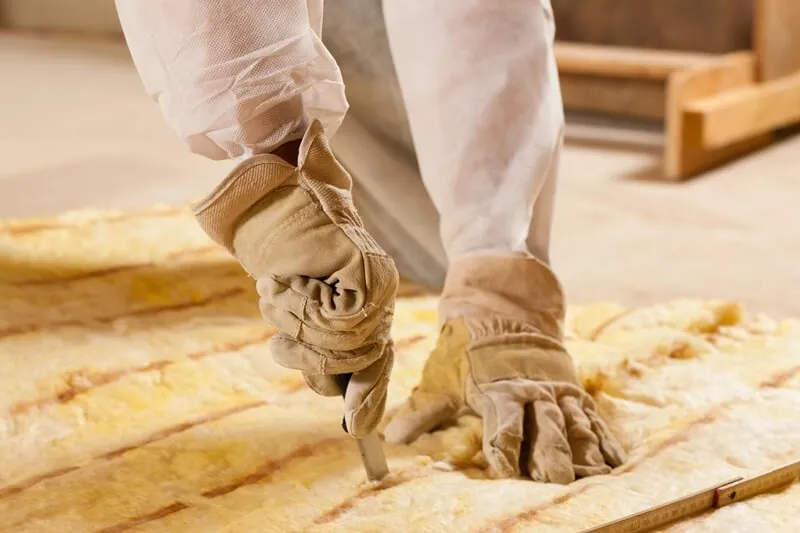
Our Team In Warrenton Helps Protect Your Crawlspace For The Future
Moisture problems don’t go away on their own. They grow quietly until they affect your floors, air quality, and foundation. That’s why every crawlspace needs more than a quick fix. They must have the right materials, installed the right way, to stop those issues for good.
At Top Dog Leak and Foundation Pros, we create a complete moisture defense system. Our technicians understand how Virginia’s soil and weather impact your crawlspace, and we tailor every project to protect your home year-round.
If you’ve noticed musty odors, dampness, or cool air coming from below your floors, it may be time to improve your crawlspace protection. With the right encapsulation plan, our team at Top Dog Leak and Foundation Pros can help you restore comfort, boost energy efficiency, and preserve your home’s value for the future.
About the Author: Rod Heiston

Schedule Your Consultation Today!
Recent Posts!
Takeaways: Wet seasons in Warrenton bring high humidity, which often settles in the basement. Dehumidifiers help control indoor moisture, [...]
Overview: Basement waterproofing methods fall into two main categories: interior and exterior. Interior systems manage water after it enters, [...]
Quick Recap: Not all waterproofing contractors are created equal. The right one should understand Warrenton’s soil, offer written estimates, [...]