
Takeaways:
Wet seasons in Warrenton bring high humidity, which often settles in the basement. Dehumidifiers help control indoor moisture, prevent mold, and protect your foundation. They’re especially helpful when paired with other waterproofing measures. Using the right size unit in the right space makes a big difference.
Basements tend to collect everything the rest of the house avoids: cool air, poor circulation, and, in wet seasons, a whole lot of moisture. Over time, all that humidity can create the perfect conditions for mold, mildew, and wood rot.
Where heavy rain and sticky summer air are part of the deal, a basement dehumidifier isn’t a luxury; it’s a smart prevention tool. Here’s why they work and how they keep your home healthier from the ground up. A Warrenton basement waterproofing contractor can be your trusted guide in keeping your basement dry.
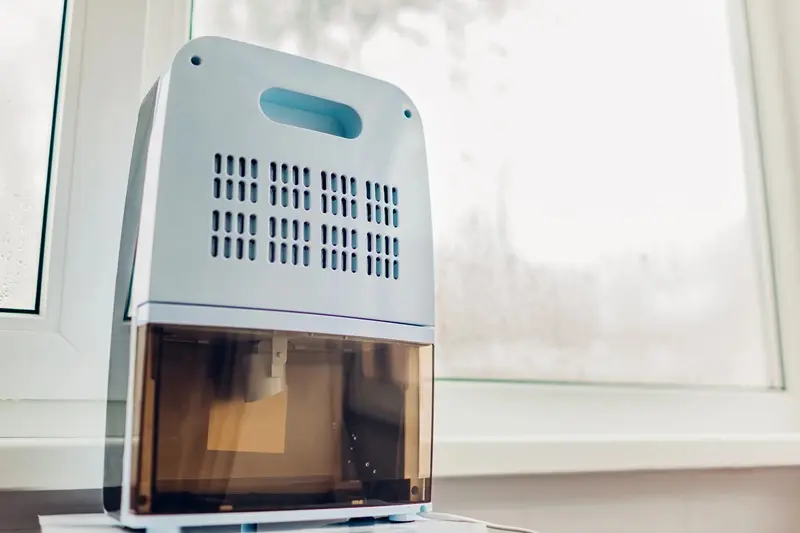
Why Basement Humidity Is A Bigger Deal Than You Think
It might seem harmless at first, just a little dampness or a humid feel when you head downstairs. But over time, that excess moisture can quietly create real problems, not just in your basement but throughout your entire home.
Mold Thrives in Damp, Unventilated Spaces
Humidity feeds mold. Basements that stay above 60% relative humidity are ideal breeding grounds, especially in dark corners, behind walls, or under carpets. Mold doesn’t just damage materials; it can trigger allergies, asthma, and other respiratory issues.
High Humidity Damages Wood, Drywall, & Flooring
Moisture can warp wooden studs, soften drywall, and cause flooring materials to separate or rot. Once the structure absorbs moisture, repairs can get expensive and harder to contain.
Musty Smells Spread Throughout The House
That distinct “basement smell” isn’t just a nuisance. It’s a sign of trapped moisture and microbial growth. Air naturally rises through your home (the stack effect), carrying that odor and potentially spores with it.
Moisture Can Affect HVAC & Electrical Systems
Humidity doesn’t just impact building materials. It can also rust ductwork, corrode wiring, and reduce HVAC efficiency. Systems located in the basement may work harder or fail earlier due to constant exposure to damp air.
Unchecked Humidity Can Lower Property Value
Buyers notice the smell of moisture right away. Even small signs of mold or staining can cause concern during a home inspection. Keeping your basement dry helps protect your investment and keeps future negotiations on your terms.
A damp basement may not seem urgent, but the damage it causes builds quietly and spreads quickly. That’s why controlling humidity early, especially during Warrenton’s wet months, makes a big difference in your home’s long-term health.
How Basement Dehumidifiers Work (& Why They’re So Effective)
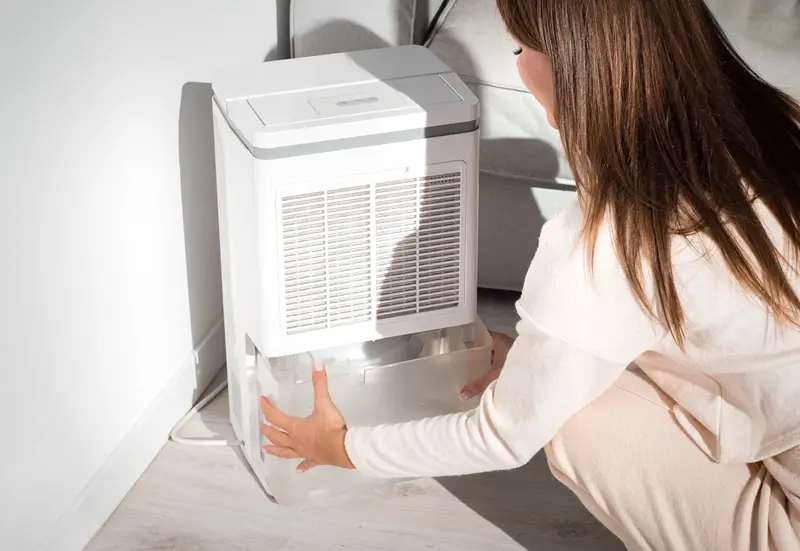
Dehumidifiers may seem simple on the surface, but they’re doing a lot behind the scenes to keep basement moisture in check. Here’s what happens inside the machine every time it kicks on, and why it’s such a reliable solution for wet seasons.
1. Air Is Pulled Into The Unit
The process starts when a fan draws moist air from the basement into the dehumidifier. Because basements often have poor airflow, this step is crucial for cycling stale, humid air into the system.
2. Moisture Condenses On Cold Coils
Inside the unit, the air passes over refrigerated coils. As the warm, humid air hits these cold surfaces, the moisture in the air condenses, just like water droplets forming on a cold glass in summer.
3. Water Collects In A Reservoir Or Drains Out
The condensed moisture either drips into a built-in reservoir or is directed through a hose to a nearby floor drain or sump pit. Larger or continuous-drain models are especially helpful for basements in Warrenton, where wet weather can raise indoor humidity for days at a time.
4. Dry Air Is Released Back Into The Room
After moisture is removed, the dehumidifier pushes drier, cleaner air back into the basement. This keeps air circulating and helps reduce that musty feeling that often builds in closed spaces.
5. Humidity Levels Stay Consistent Over Time
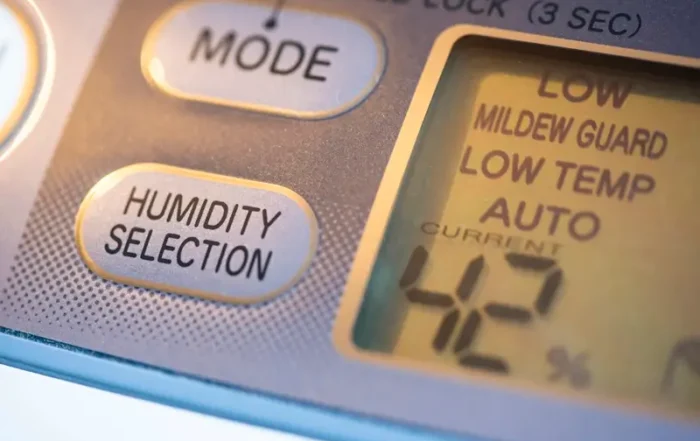
With regular use, a dehumidifier keeps the relative humidity between 40% and 60%, the range where mold, mildew, and dust mites can’t thrive. Some units have digital displays or auto settings that adjust automatically based on current conditions.
Dehumidifiers aren’t just a temporary fix. They’re a powerful long-term tool for maintaining a healthy basement environment. This is especially true during rainy Warrenton springs and muggy summers.
Which One Fits Your Basement Best? Portable Vs. Whole-Home
Not all dehumidifiers are created equal. Some are plug-and-play, while others tie into your HVAC system for full-home coverage. If you’re wondering which one is right for your basement, here’s how they compare.
| Category | Portable Dehumidifier | Whole-Home Dehumidifier |
|---|---|---|
| Coverage Area | Covers one room or section of the basement (usually up to 1,500 sq. ft.). | Covers the entire basement or whole house, depending on size and placement. |
| Moisture Removal Capacity | Typically removes 30–70 pints of water per day. | Can remove 90–150+ pints per day, depending on the model. |
| Noise & Placement | Sits in the open and makes noticeable fan noise. | Installed in a utility area or HVAC system, quieter and out of sight. |
| Maintenance Requirements | Needs frequent emptying or hose connection for draining; filters must be cleaned. | Low maintenance; often includes direct drainage and built-in air filtration. |
| Energy Efficiency | Lower efficiency, especially if run continuously. | Higher energy efficiency over time due to better performance at scale. |
| Installation & Cost | Easy to set up yourself; costs $200–$500. | Requires professional install; costs $1,500–$3,000 or more, depending on configuration. |
| Best Used For… | Small basements or temporary moisture issues. | Homes with ongoing humidity problems or large spaces that need consistent climate control. |
Portable units are great for quick fixes or smaller spaces. But for Warrenton homeowners dealing with year-round humidity, or larger basements that need steady air management, a whole-home dehumidifier may be worth the investment.
Choosing the right system depends on your space, lifestyle, and how serious the moisture problem is. Either way, staying ahead of humidity helps protect your home from mold, odors, and long-term damage.
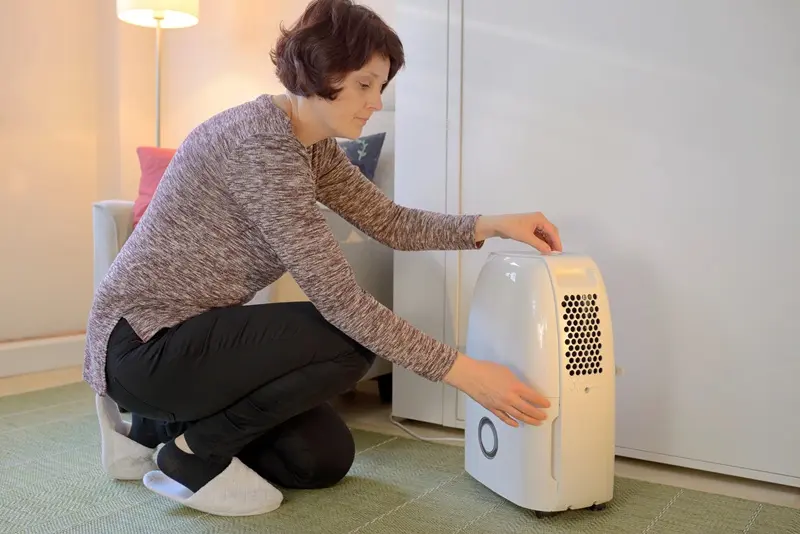
Tips For Getting The Most Out Of Your Basement Dehumidifier
Dehumidifiers can do a lot of heavy lifting, but they need the right setup and care to work at full strength. These practical tips help make sure your unit keeps moisture in check all season long.
Choose The Right Size For Your Space
Not all dehumidifiers are built for basements. Look at the square footage your unit is rated for, and match it to your basement’s size. Larger areas with high moisture often need a 50–70-pint unit, or even a whole-home model.
Place It Where Moisture Builds Up Most
Don’t tuck the unit into a corner and hope for the best. Put it where humidity tends to collect, near sump pumps, low points in the floor, or outer foundation walls. Keep at least 6 inches of space around the intake and exhaust for airflow.
Keep Doors Closed For Better Results
Dehumidifiers work best in sealed spaces. Keep basement doors and windows closed while the unit is running. This helps it reach target humidity faster and keeps it from overworking.
Clean The Filter Regularly
Dust, pet hair, and debris can block airflow and make your dehumidifier less effective. Check the filter every couple of weeks during wet seasons and clean or replace it as recommended by the manufacturer.
Pair It With Other Waterproofing Solutions
Dehumidifiers are powerful, but they’re not miracle machines. They work best when combined with waterproofing methods like French drains, sealed cracks, and sump pump systems. Think of them as a finishing tool, not a stand-alone fix.
Basements in Warrenton see moisture from all sides, walls, floors, and even the air. A properly used dehumidifier can make a major difference in how your space feels, smells, and holds up over time.
Keep Humidity In Check Before It Becomes A Bigger Problem
Basement humidity doesn’t always show up as a puddle. Sometimes it’s a lingering smell, sticky air, or warped wood, quiet signs that moisture is building up. In places like Warrenton, where spring rain and summer humidity roll in fast, your basement can turn damp quickly.
A dehumidifier helps, but only when it’s part of a smart plan. That’s where Top Dog comes in. Their team knows how to combine moisture control with waterproofing methods that actually stick.
From inspections to system recommendations, they focus on lasting results, not just temporary relief. And they’ll walk you through every option without the pressure. If your basement feels off, muggy, musty, or just damp, schedule a professional moisture assessment with Top Dog today.
About the Author: Rod Heiston

Schedule Your Consultation Today!
Recent Posts!
Takeaways: Wet seasons in Warrenton bring high humidity, which often settles in the basement. Dehumidifiers help control indoor moisture, [...]

Overview: Basement waterproofing methods fall into two main categories: interior and exterior. Interior systems manage water after it enters, [...]
Quick Recap: Not all waterproofing contractors are created equal. The right one should understand Warrenton’s soil, offer written estimates, [...]