
Overview:
Foundation settling often starts with small signs: sticky doors, hairline cracks, or uneven floors. These aren’t just cosmetic flaws; they signal movement that can lead to serious structural issues. Acting early with crack repair helps prevent water intrusion, stops further shifting, and restores your home’s stability. The right fix at the right time can save you thousands and protect your home from bigger problems down the line.
Your house didn’t always feel like this. That door used to close without a fight. Now you’re lifting and shoving just to get it to latch. And what’s with that crack creeping up the hallway wall?
These little annoyances might not seem like much, but they’re often the first signs that your foundation is settling. It’s not unusual, especially in Warrenton, Virginia, where clay-heavy soils shift with the seasons. But when small movements turn into visible cracks and uneven floors, you’ve got more than just a cosmetic issue. You’ve got a warning sign.
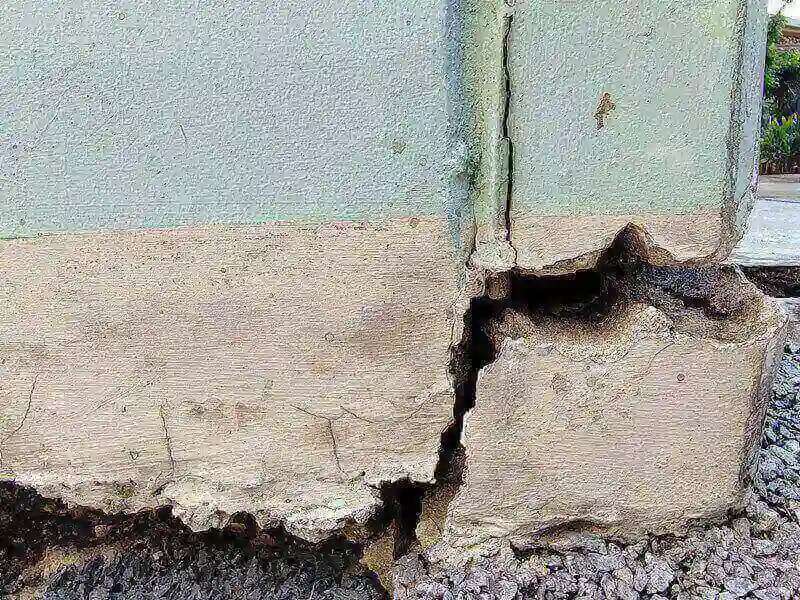
What Is Foundation Settling?
Foundation settling is a normal part of a home’s aging, but it’s not always harmless. Over time, the soil under your house shifts. Maybe it gets washed away by heavy rain. Maybe it dries out and shrinks during a drought. Either way, the ground moves, and your house shifts with it.
There’s a difference between harmless settling and problem-level movement. Hairline cracks in drywall? Pretty normal. But when those cracks spread, widen, or come with stuck doors and sloped floors? That’s not just settling; it’s structural stress.
In Northern Virginia, we see it often. Clay-heavy soils expand and contract. Older homes rest on outdated footings. Even newer builds aren’t immune when water runoff or poor grading undermines the base.
Common Signs Of Foundation Settling
Foundation issues rarely start with a bang. More often, they whisper through stubborn doors, tiny cracks, or a slightly tilted floor. Catching these early signs can save you from bigger headaches down the line.
Cracks In Interior Walls
If you spot diagonal cracks near windows or doors, don’t brush them off. These are common signs that the frame of your home is shifting. When the foundation moves, the walls follow.
Doors & Windows That Stick
When doors suddenly start sticking, or windows won’t shut right, it’s often due to pressure from a shifting structure. Settling throws everything out of alignment, even things you once installed perfectly.
Uneven Or Sloping Floors
Drop a marble and watch it roll across the room? That’s more than a party trick. Sloped floors suggest parts of the foundation are sinking faster than others.
Gaps Around Windows, Cabinets, Or Baseboards
Spaces opening up around trim or built-ins usually mean your home’s structure is no longer sitting evenly. These gaps can let in air, moisture, or worse.
Stair-Step Cracks In Brick Or Exterior Walls
This pattern is a red flag, especially in brick or block walls. It often means the soil beneath the foundation is shifting in different directions.
Basement Wall Cracks Or Bowing
Cracks in the basement or crawlspace? They’re easy to ignore, but shouldn’t be. Bowed walls signal pressure from the outside, often from waterlogged soil or poor drainage.
Water Or Moisture Intrusion
Foundation cracks aren’t just cosmetic. They open the door for water, especially during heavy rain. Over time, this leads to mold, rot, and interior damage.
These signs might seem small on their own, but together, they spell out one thing: your home is moving, and not in a good way. Next, let’s talk about why ignoring these symptoms isn’t worth the risk.
The Real Cost Of Ignoring Foundation Settling Signs
It’s tempting to dismiss a crack or a sticking door as “just an old house thing.” But those little quirks can turn into big, expensive problems if left alone. Here’s why it pays to take them seriously:
- Small Cracks Become Big Repairs: A hairline crack might cost next to nothing to seal. But wait a year or two? That same crack can stretch, spread, and compromise the structure, leading to full-blown foundation work.
- Water Damage Follows the Path of Least Resistance: Cracks let water in. And once it’s in, it doesn’t leave quietly. It seeps into walls, saturates insulation, and feeds mold. Repairing moisture damage can easily outcost the crack fix that would’ve prevented it.
- Resale Value Tanks: Foundation issues scare off buyers and appraisers. Even small cosmetic signs can lower your home’s value or cause deals to fall through.
- Insurance Might Say No: Most home insurance policies don’t cover damage from long-term settling or neglect. If you wait too long, the cost is entirely yours.
Ignoring foundation issues doesn’t save money; it delays the bill until it’s bigger, louder, and harder to manage. Let’s talk about how crack repair steps in to stop the damage before it spreads.
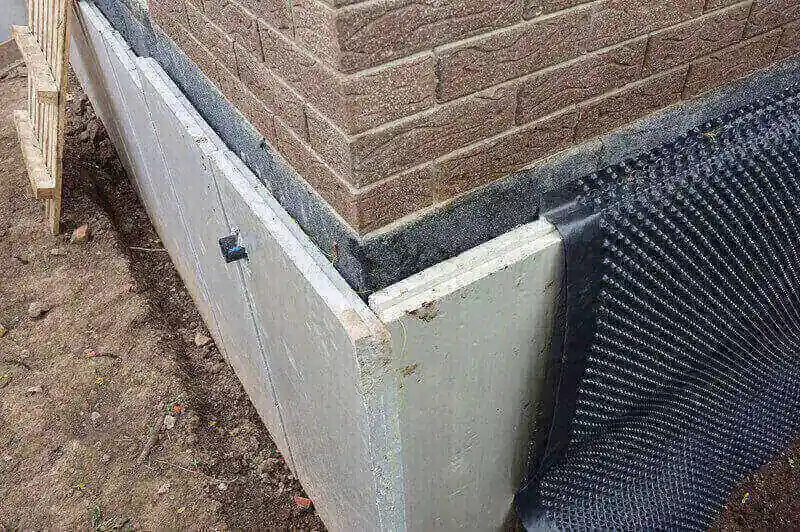
How Foundation Crack Repair Stops Damage Before It Spreads
Foundation cracks aren’t just cosmetic; they’re invitations. Water, pests, shifting air pressure; they all use those gaps to get in. The good news? Catch it early, and crack repair can stop the spread before it spirals.
Here’s what the right repair can do:
- Seal the Opening. Crack injection materials like epoxy or polyurethane fill the gap completely. That stops water intrusion and keeps out pests and moisture.
- Restore Structural Integrity. Some cracks weaken load-bearing areas. Reinforcement methods don’t just patch the surface; they restore the strength that has been compromised.
- Prevent Further Movement. Stabilizing the crack area stops it from widening or branching out. It’s like hitting the brakes before a hairline fracture becomes a canyon.
- Protect Interior Finishes. Once the movement stops, you can confidently repair interior drywall, flooring, or trim without worrying about it cracking again.
When should you act? If a crack is wider than 1/8 of an inch, appears suddenly, or keeps growing, don’t wait. A quick inspection from a pro can tell you if it’s harmless or a warning.
Methods Used By Crack Repair Professionals In Virginia
Not all cracks are treated the same way. The fix depends on where the crack is, how deep it runs, and what caused it in the first place. Professionals choose the method that not only seals the gap but also stabilizes everything around it.
Here’s how it’s typically done:
- Epoxy Injection: Ideal for structural cracks. Epoxy fills the space and bonds the concrete back together, making it stronger than before.
- Polyurethane Foam: Best for sealing non-structural cracks and stopping water leaks. The foam expands inside the crack, blocking moisture completely.
- Carbon Fiber Reinforcement: Flat, ultra-strong straps are bonded across a wall or crack to prevent further movement. Great for bowed basement walls or horizontal cracks.
- Helical Piers: When settling is severe, piers are drilled deep into stable soil and attached to the foundation. This lifts and supports sinking areas, often permanently.
- Wall Anchors or Braces: These provide lateral support for bowing or shifting basement walls, preventing collapse and adding long-term stability.
Professionals don’t guess; they diagnose, then apply the right fix. That’s the difference between patching a crack and truly protecting your home.
What Delaying Foundation Repairs Really Leads To
Foundation issues rarely improve with time; they only grow more complex and more expensive. What starts as a minor crack or a sticky door can quietly escalate into serious structural instability, water intrusion, and widespread interior damage.
As cracks widen and the soil beneath your home continues to shift, you may begin to see warped floors, separating walls, or moisture seeping into the basement. Left unchecked, these changes compromise not only your home’s structure but also its safety and livability.
Delaying repairs doesn’t save money; it simply delays the inevitable while increasing the risk of mold, extensive restoration work, and potential safety hazards. Acting early isn’t an overreaction; it’s a smart, proactive step to protect your investment and avoid much larger problems down the line.
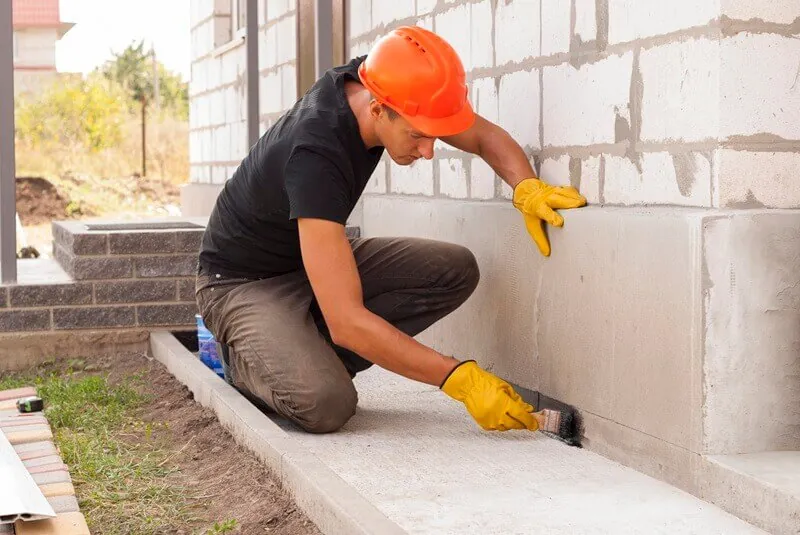
That Crack’s Not Just A Crack
It might look like just a thin line in the wall, but that crack is trying to tell you something. It’s a signal. A heads-up from your home that something deeper might be shifting, settling, or weakening.
At Top Dog, we’ve seen how fast a small issue can grow into a structural mess, especially in places like Warrenton, VA, where the soil can shift fast and hard. The good news? It doesn’t have to. Our team knows what to look for, how to fix it, and how to keep it from coming back. Whether it’s a hairline crack or a bowed wall, we’ve got the tools and the know-how to handle it.
Don’t wait until you’re lifting doors, patching drywall every month, or watching your basement fill with water. If something feels off, even slightly, get it checked. Your foundation is too important to ignore.
About the Author: Rod Heiston

Schedule Your Consultation Today!
Recent Posts!
Takeaways: Wet seasons in Warrenton bring high humidity, which often settles in the basement. Dehumidifiers help control indoor moisture, [...]
Overview: Basement waterproofing methods fall into two main categories: interior and exterior. Interior systems manage water after it enters, [...]
Quick Recap: Not all waterproofing contractors are created equal. The right one should understand Warrenton’s soil, offer written estimates, [...]