
TL;DR:
- Even the best waterproofing needs upkeep. In places like Warrenton and Northern Virginia, clay soil, storms, and shifting foundations can wear down your defenses over time.
- Know what’s protecting your basement. From sump pumps to vapor barriers, understanding your system helps you maintain it and catch issues early.
- Keep water away from your home. Clean gutters and downspouts regularly, improve yard grading, and make sure runoff flows away from your foundation.
- Inspect often and service yearly. Monthly basement checks and annual sump pump maintenance go a long way in extending the life of your waterproofing system.
A solid waterproofing system gives you peace of mind. But it’s not invincible. Over time, little things, like clogged gutters or bad grading, can undo all that good work. That’s especially true in places like Warrenton or the broader Northern Virginia area, where soil, rain, and old foundations don’t always play nice.
Think of your basement like a roof. Just because it’s sealed doesn’t mean you can forget about it. You’ve got to keep an eye on it, give it some care, and act early when you see trouble. That’s the only way to make it last.

Get Familiar With Your Basement’s Defense Line
If you want your waterproofing to go the distance, you need to know what you’re working with. Too many homeowners assume everything’s fine until it isn’t. The trouble is, you can’t protect what you don’t understand.
Interior Drain Systems
These are typically installed beneath the basement floor, along the perimeter. They catch water that seeps in from the walls or rises from the ground, then route it to a sump pump. If your basement stays dry after heavy rain, you probably have one of these working silently behind the scenes.
Sump Pumps
If there’s a pit in the corner of your basement with a motor and a pipe running outside, that’s your sump pump. Its job? To collect water and toss it far from your foundation. Without it, you’d likely see standing water during big storms.
A good sump pump lasts around 10 years, but only if it’s maintained. More on that later.
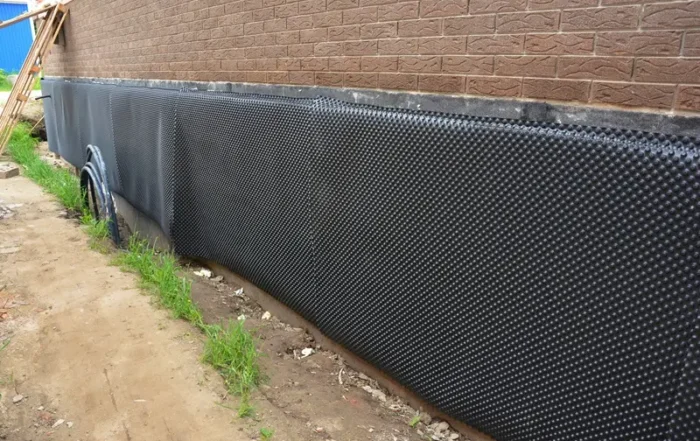
Exterior Waterproof Coating
This is the black, tar-like material often sprayed or rolled onto foundation walls from the outside. It acts like a raincoat for your home’s base. If you had a new build or major renovation, this might be in place already.
Vapor Barriers In Crawlspaces
Homes with crawlspaces instead of basements often rely on plastic vapor barriers laid over the dirt floor. These help block ground moisture from creeping upward. If you notice musty smells or sagging insulation under your floors, your barrier might need attention.
Warrenton and other Northern Virginia towns have unique soil conditions, mostly clay-based, which tend to trap water and put pressure on your foundation walls. Add in freeze-thaw cycles during winter, and even the best systems can start wearing down over time.
Bottom line? The better you know your setup, the easier it is to maintain it and spot when something’s off.
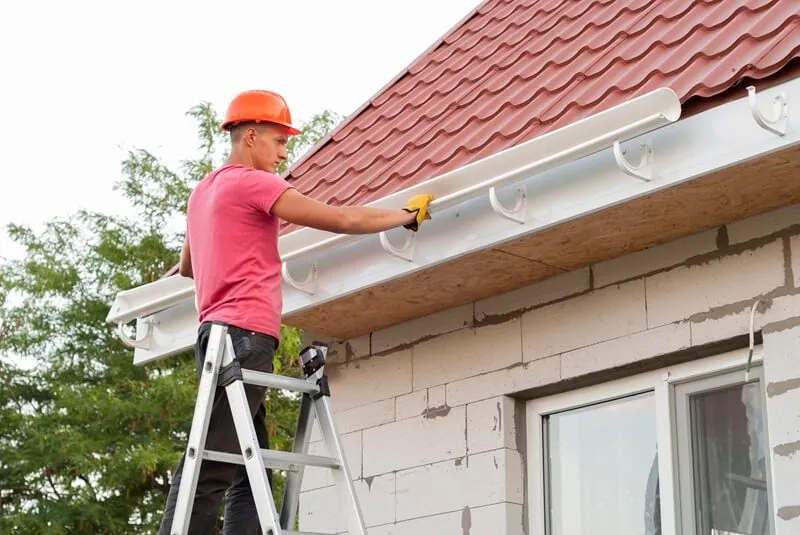
Clean Your Gutters & Downspouts Regularly
It sounds simple, but this might be the most overlooked step in keeping your basement dry. Gutters and downspouts are supposed to guide rainwater off your roof and away from your foundation. But when they’re clogged or broken, they do the opposite: dump water right where you don’t want it.
What Happens When Gutters Fail?
Picture this: rainwater pours off your roof, hits a clogged gutter, and spills over the edge like a waterfall. Instead of flowing safely through your downspouts and out to your yard, it pools right next to your foundation.
That water soaks into the ground, saturates the soil, and puts hydrostatic pressure on your basement walls. Given enough time, even the best waterproofing won’t hold up.
What To Do & When To Do It
- Clean your gutters twice a year minimum: once in the spring, again in the fall.
- Make sure downspouts discharge water at least 6–10 feet away from the house.
- Watch for overflow during storms; it’s a red flag.
Homes in Northern Virginia tend to have mature trees, and that means more leaves. Don’t wait for a soggy basement to remind you it’s cleaning time. Even one neglected season can cause damage that takes months and a lot of money to reverse.
Check Your Yard Against Your Warrenton Basement Waterproofing
Water doesn’t need an invitation to head toward your foundation. If your yard slopes toward your house instead of away from it, you’ve basically rolled out the red carpet for moisture.
This isn’t just a landscaping issue; it’s a waterproofing issue, especially in the rolling terrains of Warrenton and across Northern Virginia.
Why Landscape Grading Matters
When the ground is flat or sloped the wrong way, rainwater pools around your home. That water starts to seep downward, increasing the pressure on your foundation walls. Over time, that pressure can lead to cracks, leaks, and worse, especially in homes with older foundations.
Even the best basement sealing job can’t fight off persistent pooling from above.
How To Fix The Grade Without Ripping Up Your Entire Yard
- The ground should drop about 6 inches over the first 10 feet away from your house.
- Add compacted soil, not mulch, around the base of your foundation to improve slope.
- Avoid water traps like raised planters or tight edging that holds water near your siding.
Many homes in Warrenton were built on sloped lots. That means the front yard may drain well, but the backyard, where the land dips, could be sending gallons of runoff straight to your foundation.
Schedule A Monthly Basement Inspection
Water rarely barges in unannounced. It leaves clues, quiet ones at first. If you know what to look for, you can catch issues while they’re still cheap and easy to fix.
This is especially true for homes in Northern Virginia, where seasonal changes cause buildings to shift and settle. One crack today could become a leak by spring.
Make it a habit: once a month, grab a flashlight and do a five-minute walk-through of your basement or crawlspace. Keep an eye (and nose) out for:
- Hairline cracks in walls or floors.
- Musty smells.
- White, chalky residue (efflorescence).
- Warped trim or baseboards.
- Brown or yellow stains near the corners or the floor.
By the time you see standing water, the damage is already underway. Paint starts bubbling. Drywall softens. And your foundation might be quietly crumbling under pressure.
In areas like Warrenton, sudden shifts from dry to wet seasons, or warm days followed by freezing nights, can accelerate foundation movement. Cracks that were stable can start leaking in just a few weeks.
Treat your basement like a dashboard; when warning lights flash, don’t ignore them.
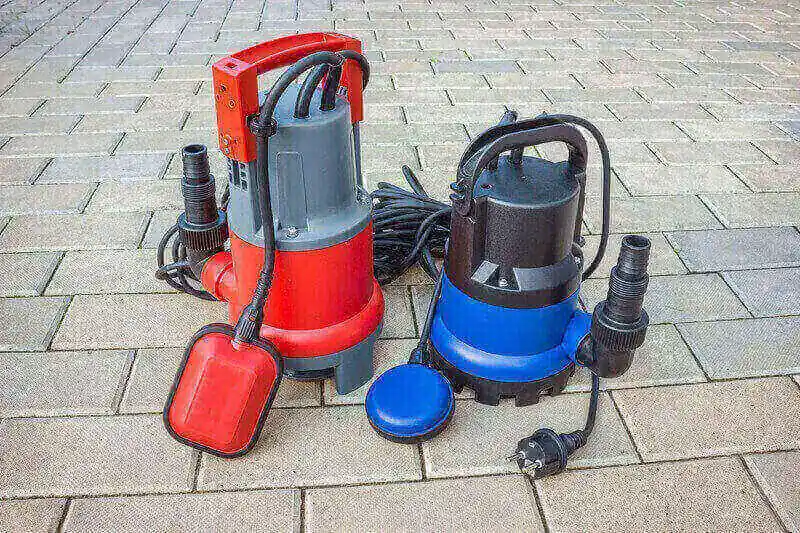
Use Sump Pumps To Keep Your Warrenton Basement Dry
If your waterproofing system has a heartbeat, it’s the sump pump. It’s what stands between your basement and a nasty flood during one of Northern Virginia’s spring storms. But like any machine, it can fail, especially if it’s ignored.
The worst part? You usually don’t know it’s dead until your feet are wet.
How It Works
Water collects in a pit (the “sump basin”) at the lowest point of your basement. When the water level rises, the pump kicks on and pushes it out through a discharge pipe, usually into your yard or a storm drain.
Quick Guide To Sump Pump Maintenance
| What to Check | How Often | Why It Matters |
|---|---|---|
| Test with a water bucket | Every 3 months | Confirms it actually turns on when needed. |
| Clean the pit | Twice a year | Prevents debris from jamming the pump. |
| Check the discharge pipe | Every spring | Ensures water is flowing away, not backing up. |
| Replace the battery backup | Every 3–5 years | Keeps system working during power outages. |
| Full inspection | Yearly | Catches wear before it becomes failure. |
Storms here don’t mess around. A power outage paired with a failed sump pump can flood a basement in hours. Having a backup battery can mean the difference between staying dry and dealing with a major cleanup.
Why A Yearly Check-Up Isn’t Overkill
Think of your waterproofing system like a car. You wouldn’t drive it for ten years without checking the brakes or changing the oil, so why treat your basement any differently?
A yearly inspection by a local pro isn’t just about spotting leaks. It’s about catching stress cracks before they widen, checking if your sump pump is still working under pressure, and seeing whether the soil around your foundation has shifted. In places like Warrenton and throughout Northern Virginia, where seasonal weather hits hard and fast, these subtle changes can add up quickly.
That’s where Top Dog Leak and Foundation Pros comes in. We’ve been doing this long enough to know what local homes are up against. From hidden leak sources to worn-out sump pumps, we’ve seen what can go wrong, and more importantly, how to stop it before it does.
Our team doesn’t just patch a problem and call it a day. We walk you through what we find, explain what matters (and what doesn’t), and make sure you’re in the loop every step of the way. It’s not a hard sell; it’s peace of mind.
So whether your system is five months old or fifteen years past due, set a reminder to bring in a second set of eyes. One short visit each year can add years of life to your waterproofing, and might just save your basement from a big, soggy mess.
About the Author: Rod Heiston

Schedule Your Consultation Today!
Recent Posts!
Takeaways: Wet seasons in Warrenton bring high humidity, which often settles in the basement. Dehumidifiers help control indoor moisture, [...]
Overview: Basement waterproofing methods fall into two main categories: interior and exterior. Interior systems manage water after it enters, [...]
Quick Recap: Not all waterproofing contractors are created equal. The right one should understand Warrenton’s soil, offer written estimates, [...]