
Key Takeaways:
- Encapsulation helps block moisture and improve energy efficiency, but it still needs routine upkeep, especially in Northern Virginia’s shifting climate.
- Keep moisture under control by checking the dehumidifier, humidity levels, and watching for musty odors or standing water in corners.
- Protect your crawlspace seal by inspecting the vapor barrier, access door, insulation, and old vents for damage or deterioration.
- Don’t forget the outside; clean gutters, redirect downspouts, and inspect yard drainage, then schedule a professional inspection yearly for full peace of mind.
Getting your crawlspace encapsulated was a smart move. You stopped outside moisture, improved your home’s energy efficiency, and probably got rid of that persistent musty smell. But here’s the catch: just because it’s sealed doesn’t mean you can forget about it.
Encapsulation isn’t maintenance-free. In places like Warrenton and throughout Northern Virginia, seasonal humidity, shifting soil, and temperature swings can still take a toll over time. That’s why ongoing upkeep matters.
Whether your system was installed last year or five years ago, these ten tips will help make sure it keeps doing its job and keeps your home dry from the ground up.
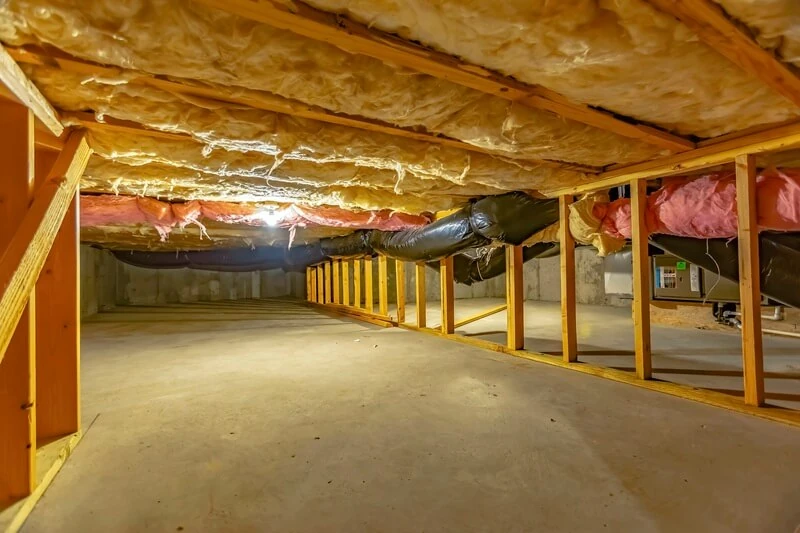
1. Check The Dehumidifier Regularly
If your crawlspace is encapsulated, it likely includes a dehumidifier, and it needs regular care. Check it monthly: confirm it’s running, the reservoir isn’t full, and the drainage line (if any) is clear. Don’t overlook the air filter; a clogged one forces the unit to work harder.
A neglected dehumidifier can throw off moisture control fast. Treat it like your HVAC; small checks now prevent major crawlspace problems later.
2. Keep An Eye On Humidity Levels
Encapsulation helps block moisture, but humidity can still climb, especially during a humid Northern Virginia summer. Keep a digital hygrometer in your crawlspace to monitor levels easily. Aim to stay between 40% and 60%. Above that invites mold and rot; below that risks drying out wood and causing cracks.
Some meters connect to your phone, so you don’t have to crawl in to check. It’s a simple habit that protects your home.
3. Look For Tears Or Shifts In The Vapor Barrier
The vapor barrier is key to keeping crawlspace moisture out, but it’s not indestructible. Small tears, loose edges, or damage from pests can compromise the whole system.
Inspect it at least twice a year, checking corners, seams, and high-traffic areas for rips or separation. Even a small gap invites moisture and pests. In Warrenton and Northern Virginia, where soil shifts and humidity run high, keeping that barrier intact is essential to protecting your home.
4. Inspect For Pests
Even with a sealed crawlspace, pests can still find their way in, especially in areas like Warrenton, where older homes and wooded lots are common. Encapsulation helps, but it’s not foolproof.
Watch for these signs during your inspections:
- Droppings or nesting materials.
- Torn or disturbed insulation.
- Chewed the vapor barrier.
- Dead bugs in corners.
- Gnawed wires or insulation.
Stay ahead of pest damage. Spot issues early and take action before they turn into costly repairs.
5. Monitor For Musty Odors Or Standing Water
If your crawlspace smells musty or like damp cardboard, it’s likely a warning sign. Even in an encapsulated space, moisture can sneak in through small gaps, plumbing leaks, or HVAC condensation. Use a flashlight to check corners, support piers, around HVAC units, and under the dehumidifier for any standing water or damp spots.
Don’t ignore what your nose is telling you; moisture may be collecting where it shouldn’t. In Warrenton and Northern Virginia, shifting soil and seasonal rain can throw off drainage. Catching these signs early helps protect your insulation, vapor barrier, and the structure above from serious moisture damage.
6. Watch For Sagging Or Detached Insulation
Insulation in an encapsulated crawlspace plays a key role in keeping floors warm and energy costs down. It’s usually installed along walls, between joists, or both. But over time, it can sag, slip, or absorb moisture, especially in older homes throughout Warrenton and Northern Virginia.
Moisture, pests, and gravity are the usual culprits. During your inspections, check for insulation that’s pulling away, looks damp or discolored, or shows signs of mold. Fiberglass batts may droop, and foam board can peel off if adhesives weaken.
If insulation becomes loose or wet, it stops doing its job and may even trap moisture. Fixing or replacing damaged insulation helps your encapsulation system stay effective and protects the structure above from future problems.
7. Clean Out The Access Door Area
It’s easy to forget, but your crawlspace access door is part of the encapsulation system too. If it’s not sealing properly, or if it’s buried under leaves, dirt, or nesting materials, it could let in drafts, pests, or moisture.
The fix? Keep it clear and clean.
Every couple of months, sweep the area around the door. Remove leaves, cobwebs, or any debris that could interfere with the seal. If the door’s foam gasket looks worn or the latch doesn’t close tightly, replace them. It’s a small upgrade with a big impact.
Also, check the threshold and the base of the frame for signs of water staining or mold. If water’s pooling near the entrance, it may be seeping inside.
8. Check Crawlspace Vents & Seals
Even if your crawlspace is fully encapsulated, it may still have old vents left in place. These vents should be sealed as part of the encapsulation process, but over time, seals can loosen, foam can degrade, and animals can pry their way in.
Take a few minutes to walk the perimeter of your home. Look at the foundation walls for any vent covers. If you see cracks, missing insulation, or signs of shifting, it’s time for a closer look inside.
From the crawlspace side, check that all vent openings are sealed with rigid foam or insulation board. No light should be coming through. If it is, you’ve got a leak of air, moisture, or both.
These vents are often overlooked, but they play a huge role in keeping your crawlspace airtight and energy-efficient. A small gap might seem harmless, but it can throw off your humidity control and invite unwanted guests.
9. Review Drainage & Gutters Around The House
Crawlspace issues often begin outside the crawlspace. Even a perfectly encapsulated area can be overwhelmed if the water around your home isn’t managed properly.
In Warrenton and much of Northern Virginia, homes face a mix of heavy rains, sloped yards, and clay-heavy soil that holds moisture. That’s why exterior drainage isn’t just a landscaping concern; it’s part of your crawlspace’s health.
What to keep an eye on:
- Gutters: Make sure they’re clean and firmly attached. Overflowing gutters can dump water right along your foundation.
- Downspouts: These should extend 6–10 feet away from the house. If they dump water at the base of your wall, it’s heading straight for your crawlspace.
- Yard Slope: Your yard should slope away from your foundation. Even small dips can collect water during storms.
- Drainage Systems: If you have a French drain or exterior sump system, make sure they’re functioning.
A crawlspace doesn’t flood out of nowhere. If water is pooling outside, it will eventually find a way inside, even through the tiniest weak spots.
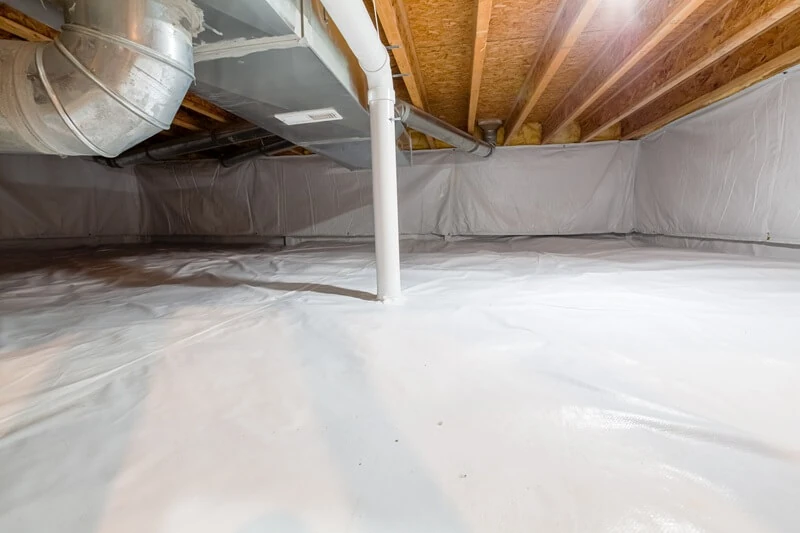
10. Schedule A Professional Inspection Once A Year
You can do a lot on your own, but not everything. Some crawlspace issues don’t show obvious signs until they’re already expensive. That’s where a yearly professional inspection comes in.
A trained technician knows where to look, what’s normal, and what’s quietly brewing into a bigger issue. From hidden mold growth behind insulation to dehumidifiers that aren’t calibrated right, they catch the things most homeowners miss.
That’s especially important in areas like Warrenton and the broader Northern Virginia region, where older homes, high humidity, and unpredictable weather can test even the best encapsulation work.
Top Dog Leak and Foundation Pros offers crawlspace maintenance checks that go beyond a surface glance. We’ll inspect the vapor barrier, test humidity levels, check insulation, evaluate the dehumidifier, and confirm that your space is sealed tight. If anything’s off, we’ll show you exactly what’s going on, and what it’ll take to fix it.
Think of it like a health checkup for the lowest part of your home. One hour a year could save you thousands in repairs.
Why Crawlspace Encapsulation Still Needs Regular Maintenance
Encapsulation isn’t a set-it-and-forget-it solution. It’s a major upgrade, but like any part of your home, it needs attention to keep working the way it should.
By keeping an eye on humidity, checking seals, inspecting insulation, and maintaining drainage outside, you protect not just your crawlspace, but your entire home.
In Warrenton and across Northern Virginia, where weather, soil, and age can stress even the best systems, routine maintenance is what keeps that encapsulation investment doing its job.
If you’re not sure where things stand, or if it’s been more than a year since anyone’s looked under your home, Top Dog Leak and Foundation Pros is here to help. One quick inspection could be the difference between a clean, dry crawlspace and costly moisture damage.
Stay ahead of it. Small steps now beat big repairs later.
About the Author: Rod Heiston

Schedule Your Consultation Today!
Recent Posts!
Takeaways: Wet seasons in Warrenton bring high humidity, which often settles in the basement. Dehumidifiers help control indoor moisture, [...]
Overview: Basement waterproofing methods fall into two main categories: interior and exterior. Interior systems manage water after it enters, [...]
Quick Recap: Not all waterproofing contractors are created equal. The right one should understand Warrenton’s soil, offer written estimates, [...]