
Takeaways:
Slab leaks often stay hidden until they cause real damage. Common signs include warm spots on floors, rising water bills, and cracks in your walls or foundation. Spotting these signs early helps avoid major structural problems. In Warrenton homes, quick detection can save thousands in repairs.
Leaks under your home’s foundation are hard to spot but impossible to ignore once the damage sets in. That’s why recognizing the early signs of a slab leak is one of the smartest things a homeowner can do. Then, call a trusted Warrenton leak detection specialist right away to protect your home’s foundation and investment.
In Warrenton and surrounding parts of Virginia, shifting soil and aging plumbing can turn a slow drip beneath your concrete slab into a costly foundation problem. But the warning signs are there if you know what to look for.
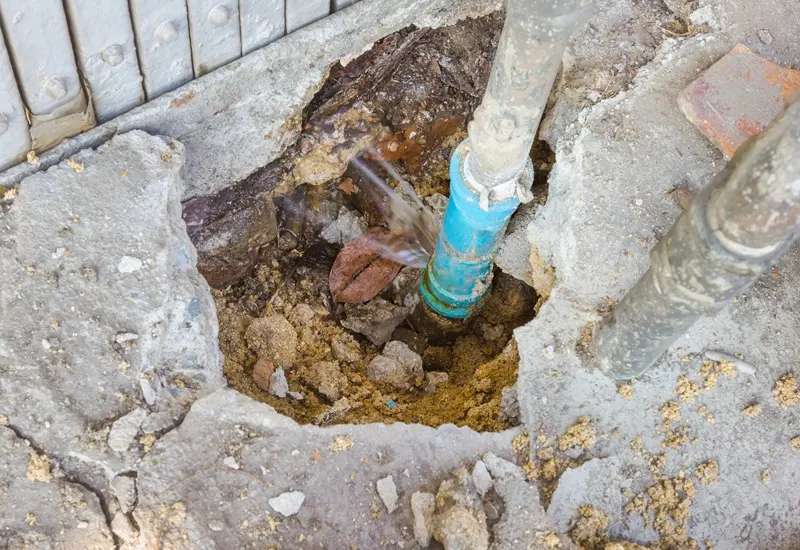
How Slab Leaks Start, & Why They’re So Sneaky
A slab leak doesn’t begin with a splash. It starts quietly, hidden beneath the concrete, where it can slowly cause damage for weeks or months before anything appears on the surface.
Pipes Beneath The Slab Are Vulnerable Over Time
Most homes have water lines running underneath their concrete foundation. Over time, those pipes can corrode, crack, or loosen due to shifting soil, high water pressure, or old installation methods.
In areas like Warrenton, where clay soil expands and contracts with moisture, those changes in the ground can add extra stress to buried plumbing.
The Leak Doesn’t Always Show Up Where It Starts
Because water can spread in every direction under the slab, the signs of a leak don’t always appear directly above it. Instead, you might feel a warm floor in the hallway, see a damp carpet in a back bedroom, or notice a faint crack in a wall.
These symptoms often seem unrelated, which makes slab leaks particularly tricky to catch without experience or the right equipment.
Delays Turn Small Leaks Into Major Repairs
The longer a slab leak goes unnoticed, the more damage it causes. Moisture can weaken your foundation, promote mold growth, and compromise flooring and framing. By the time you see obvious signs, you may be looking at structural repairs instead of just a plumbing fix.
Slab leaks may be hidden, but they’re never harmless. Catching them early can mean the difference between a minor repair and a major renovation, especially in older homes with aging infrastructure.
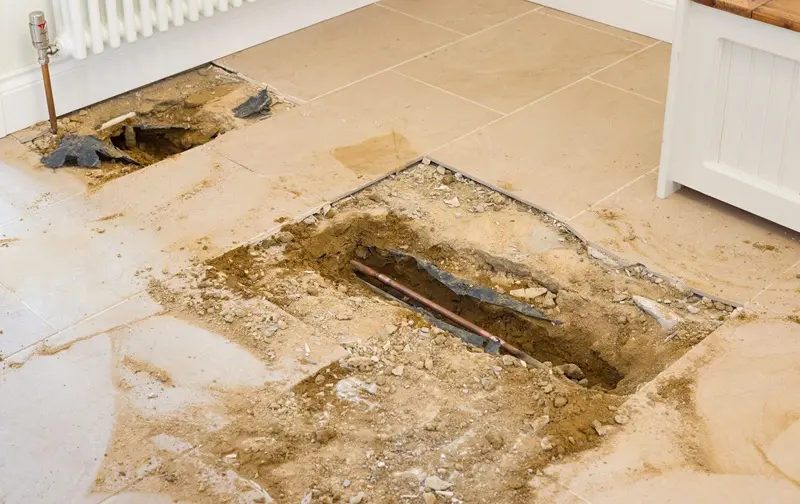
10 Signs That Indicate You May Have A Slab Leak
Slab leaks don’t always look dramatic at first. But small clues add up, and the earlier you spot them, the better your chances of avoiding serious foundation damage. Keep an eye out for these warning signs.
Unusually High Water Bill
A sudden spike in your water bill, without any change in usage, is often the first red flag. It usually means water is escaping somewhere, often below your home, where you can’t see it.
Warm Or Hot Spots On The Floor
If you notice one area of your floor feels noticeably warm, it could be a hot water line leaking beneath the slab. This is especially common in homes with radiant heating or older plumbing.
Damp Or Wet Flooring
Water can slowly rise through cracks in the concrete and soak into your carpet, hardwood, or vinyl flooring. If you find damp areas and there’s no spill or pet accident to blame, it’s worth a closer look.
Mold Or Mildew Smell
That musty smell you can’t quite place might be mold thriving under your floors or inside your walls, fed by moisture from a hidden slab leak.
Cracks In Walls Or Flooring
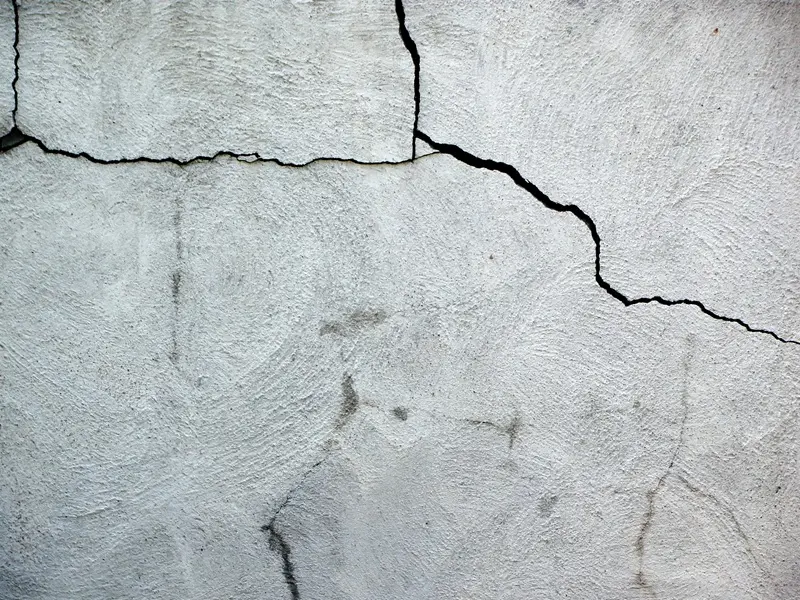
As water erodes the soil under your foundation, your slab can shift and settle unevenly. This often shows up as cracks in drywall, tile, or even ceilings.
Low Water Pressure
A leak under the slab means less water is making it to your faucets. If your shower feels weaker or your sink takes longer to fill, that could be why.
Sounds Of Running Water
Hearing water running when no taps are on? That could be water moving through a broken pipe beneath your home, especially if the sound is faint and persistent.
Foundation Movement Or Shifting
Visible changes in the structure can be signs that your foundation is no longer stable due to soil changes caused by leaks. For example, like uneven floors or doors that suddenly stick.
Water Pooling Around The House
If the ground near your foundation is constantly wet or soggy, especially during dry weather, it might be from a slab leak slowly pushing water to the surface.
Flooring That Warps Or Separates
Warped wood, lifting tiles, or loose baseboards may signal moisture creeping up from underneath. These visible issues often appear after weeks or months of a hidden leak.
Slab leaks don’t shout, they whisper. Paying attention to small changes in your home can help you catch a silent problem before it turns into an expensive foundation repair.
How Pros Confirm A Slab Leak Without Tearing Up Your Floors
If you suspect a slab leak, ripping up flooring shouldn’t be the first move. Professionals use specialized tools to detect leaks with minimal disruption, saving you time, stress, and money during the inspection process.
| Tool or Technique | What It Does & Why It’s Useful |
|---|---|
| Thermal Imaging | Detects temperature changes under floors, helping locate hot water leaks beneath concrete surfaces. |
| Acoustic Listening Devices | Amplifies the sound of water escaping under slabs, allowing pros to pinpoint leaks without digging. |
| Moisture Meters | Measures moisture levels inside floors and walls to identify saturated areas caused by hidden leaks. |
| Pressure Testing | Isolates plumbing lines and checks for pressure loss, confirming which part of the system is leaking. |
| Electronic Leak Detection | Uses electric signals to trace underground water movement, ideal for mapping leak location precisely. |
Using this technology, a trained technician can identify a leak’s exact location without damaging your flooring or foundation. That means targeted repairs and fewer surprises during the fix.
In places like Warrenton, where homes may have a mix of older plumbing and modern renovations, this approach helps uncover issues efficiently, even in tricky setups.
Why Slab Leaks Are More Common Than You Think
You might think slab leaks are rare or only happen in older homes, but they’re more common than most homeowners realize. Several everyday conditions put your pipes at risk, especially if you live in areas like Warrenton with shifting soil and changing temperatures.
Aging Pipes Can’t Handle Modern Pressure
Many homes still rely on plumbing systems installed decades ago. Over time, copper pipes can corrode, especially if the water has a high mineral content. When those pipes are buried under your concrete slab, small weaknesses become cracks, and cracks become full leaks.
Combine that with today’s water pressure and household usage, and it’s easy to see how aging materials struggle to keep up.
Soil Movement Creates Pipe Stress
Virginia’s clay-heavy soil expands when wet and contracts when dry. That constant shifting puts pressure on the foundation and the pipes running beneath it. Even a slight shift can cause a pipe to bend, rub, or separate.
Slab leaks are the result of this slow, steady movement that homeowners don’t even realize is happening until the symptoms show up inside.
New Construction Isn’t Always Leak-Proof
Even newer homes aren’t immune. In some cases, poor installation practices or low-quality materials can lead to leaks just a few years after construction.
In fast-growing towns like Warrenton, where new builds are common, a rushed job can mean plumbing problems are hiding just under the surface, literally.
Slab leaks aren’t a rare disaster. They’re a real risk that comes from the natural wear, movement, and stress that every home endures. Being aware of that risk is the first step to staying ahead of it.
Don’t Let A Hidden Leak Sink Your Foundation
You don’t have to see water to have a serious plumbing problem. Slab leaks are some of the most damaging issues a homeowner can face. They often stay out of sight until they’ve already caused costly damage.
What starts as a small crack in a pipe beneath your home can shift the foundation, warp your floors, or invite mold into your living space. The longer it sits undetected, the more expensive and disruptive the fix becomes.
That’s why homeowners in Warrenton and nearby areas turn to Top Dog for expert leak detection. We use non-invasive tools to locate the exact source, minimizing unnecessary demolition or guesswork.
No need to tear up your home on a hunch. Let trained professionals diagnose the issue before it spreads. Schedule a slab leak inspection with Top Dog today, before a quiet leak becomes a major repair.
About the Author: Rod Heiston

Schedule Your Consultation Today!
Recent Posts!
Takeaways: Wet seasons in Warrenton bring high humidity, which often settles in the basement. Dehumidifiers help control indoor moisture, [...]
Overview: Basement waterproofing methods fall into two main categories: interior and exterior. Interior systems manage water after it enters, [...]
Quick Recap: Not all waterproofing contractors are created equal. The right one should understand Warrenton’s soil, offer written estimates, [...]