
TL;DR:
- After a foundation crack repair, protecting your home means managing water, improving grading, maintaining a sump pump, and sealing small cracks as they appear.
- Keeping tree roots under control, monitoring indoor humidity, and checking for plumbing leaks help prevent new soil movement and moisture buildup.
- Annual foundation inspections and keeping heavy loads away from exterior walls reduce stress on the structure and catch early warning signs.
- These ten habits work together to extend the life of your repair and keep your home stable, dry, and protected.
Your foundation crack has been professionally repaired. That’s a win. But the job isn’t finished just because the sealant dried and the tools were packed up.
If you want that fix to last and avoid another expensive visit, what you do next matters. Especially in places like Warrenton, Virginia, where seasonal changes and shifting soil can test even the best repairs. The good news? It doesn’t take major renovations. Just a handful of smart habits and a little attention to detail around your home.

Tip 1: Watch The Water
Water is the number one enemy of your foundation, even after it’s been repaired. If rainwater collects near your home’s base, it puts pressure on the soil, which in turn pushes against your foundation walls. Over time, that stress can reopen old cracks or create new ones.
Keep gutters clear and downspouts extended at least 5 to 10 feet from the house. Make sure stormwater flows away from the foundation, not toward it. After heavy rain, do a quick walkaround and check for pooling or soggy spots near the edges of your home.
Tip 2: Regrade If Needed
Even the best drainage system won’t help if your yard is working against it. If the ground slopes toward your home instead of away, rainwater will naturally flow back to the foundation and stay there.
That constant moisture buildup softens the soil and increases pressure on the walls. Over time, that pressure finds a weak spot. That’s where cracks come back.
If needed, bring in soil to regrade the area so there’s a gentle slope; just a few inches over several feet can make a big difference. It’s one of the most overlooked, high-impact fixes you can make.
Tip 3: Install Or Maintain A Sump Pump
Think of a sump pump as your foundation’s safety valve. When water sneaks into your basement or crawlspace, the pump kicks on and sends it back out before it has a chance to soak in and cause damage.
If you already have one, test it regularly, especially before storm season. Dump a bucket of water in the pit and make sure it activates. If you don’t have one and your area sees heavy rain or flooding, it’s worth considering, especially in places like Northern Virginia, where clay-heavy soil traps moisture.
Bonus tip: add a battery backup. Power outages love to show up during big storms, the exact moment you need the pump most.
Tip 4: Seal Small Cracks Quickly
Hairline cracks can still lead to big problems, especially if water finds its way in. After a major foundation repair, it’s normal for tiny surface cracks to appear as the home settles. But letting them sit can invite moisture or even pests.
Keep an eye out during regular walkarounds. If you spot a new crack, clean it out and seal it with a flexible, waterproof masonry caulk. And take note of its size and location; if it grows or reappears after sealing, it might be time to call your repair crew back for a second look.

Tip 5: Keep Tree Roots In Check
Trees add shade and curb appeal, but their roots? Not so friendly to foundations. Some species have aggressive root systems that can shift soil, dry it out, or even push against the foundation wall.
Avoid planting large trees too close to your home. If you already have mature trees nearby, keep an eye on root growth and moisture levels around them. In some cases, root barriers or strategic trimming might be necessary to prevent long-term damage.
You don’t have to cut down every oak or maple, but you do need to know where their roots are headed.
Tip 6: Monitor Interior Humidity
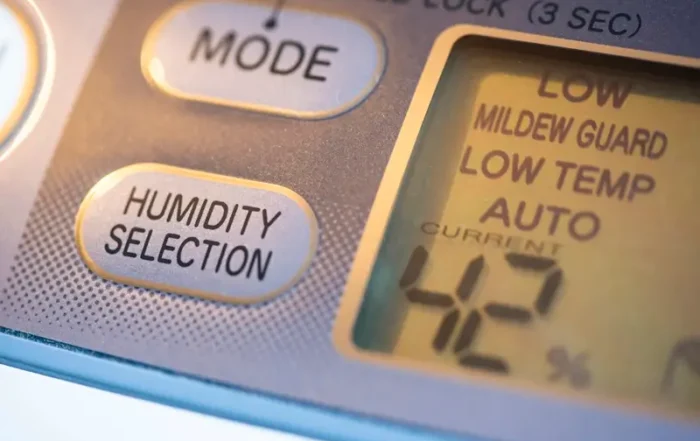
Moisture issues aren’t just an outdoor problem. High indoor humidity, especially in basements or crawlspaces, can lead to condensation, musty odors, and even mold. And over time, that trapped moisture weakens foundation materials from the inside out.
Use a dehumidifier in damp areas, particularly during summer or after heavy rain. Aim to keep humidity levels between 30–50%. If you’re seeing condensation on windows or smelling mildew, it’s time to dry things out.
Keeping the air dry helps protect both the air you breathe and the structure holding your house up.
Tip 7: Check For Plumbing Leaks
A small plumbing leak can quietly undo everything your foundation repair just fixed. Whether it’s under a slab, behind a wall, or in a crawlspace, leaking pipes saturate the soil and create movement beneath your home.
Check under sinks, behind appliances, and around toilets regularly. If your water bill suddenly jumps, or you notice damp spots with no clear source, it’s worth getting things inspected. Slab leaks, in particular, are notorious for staying hidden until real damage sets in.
Catching these leaks early isn’t just good plumbing; it’s smart foundation protection.
Tip 8: Schedule Annual Foundation Inspections
Just like an annual physical catches health issues early, a yearly foundation check can spot movement before it becomes a mess. Even if everything looks fine on the surface, small shifts or settling can start quietly.
Schedule an inspection once a year, especially if your home has a history of foundation issues. Keep records of what was found, what was fixed, and whether anything’s changed. That paper trail can also help if you ever sell the home or file an insurance claim.
Peace of mind once a year? Worth every penny.
Tip 9: Avoid Heavy Loads Near Foundation Walls
That stack of firewood, giant potted plant, or storage shed right next to your house? It might be putting extra pressure on your foundation, especially if the soil underneath is soft or uneven.
Keep heavy objects a few feet away from the foundation walls whenever possible. Not only does it reduce stress on the structure, but it also allows air to circulate and helps keep moisture levels in check.
Lighten the load around your home’s perimeter, and your foundation will thank you for it.
Tip 10: Know When To Call For Help Again
Foundation repair isn’t always one-and-done. If you notice a sealed crack reopening, new leaks forming, or walls starting to bow, don’t wait. The sooner you act, the smaller and cheaper the fix.
Reach back out to your repair team. If you worked with Top Dog, you’re already ahead; our team knows what to look for and how to handle follow-ups. Don’t assume it’s nothing. Even small changes can point to a bigger shift.
When in doubt? Call it out.

Let’s Keep Your Foundation Strong From The Inside Out
You’ve already taken a major step by getting your foundation professionally repaired. That’s something to feel good about. But as any long-time homeowner in Warrenton or Northern Virginia knows, protecting your home is an ongoing process, not just a one-time fix.
At Top Dog Leak & Foundation Pros, we’re here not just for the repair, but for the long haul. Whether you’re dealing with moisture, soil shifts, or small signs you’re not sure how to read, we’re ready to take a second look and give you clear guidance. If anything doesn’t feel right or you simply want peace of mind, reach out. We’re just a call away, and we’re always glad to help you stay ahead of the cracks.
About the Author: Rod Heiston

Schedule Your Consultation Today!
Recent Posts!
Takeaways: Wet seasons in Warrenton bring high humidity, which often settles in the basement. Dehumidifiers help control indoor moisture, [...]
Overview: Basement waterproofing methods fall into two main categories: interior and exterior. Interior systems manage water after it enters, [...]
Quick Recap: Not all waterproofing contractors are created equal. The right one should understand Warrenton’s soil, offer written estimates, [...]