
Takeaways:
Concrete underpinning reinforces foundations by digging beneath the existing structure and adding new concrete footings. It’s especially effective when soil has shifted or the original foundation is too shallow. With added steel rebar, this method creates long-term structural stability. In Warrenton homes, where older foundations and changing soil conditions are common, underpinning is often the right fix.
Foundation problems aren’t just about cracks; they’re about what’s happening underneath. When soil shifts or fails, the entire structure above can become unstable.
Concrete underpinning gives your home a stronger base by going deeper. In places like Warrenton, where clay-rich soil expands and contracts with the weather, that deeper support can make all the difference.
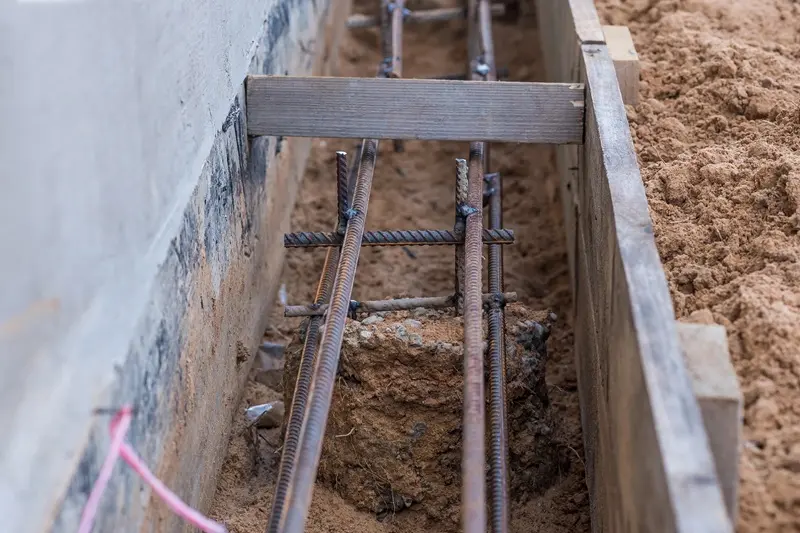
What Is Concrete Underpinning & Why Is It Used?
Concrete underpinning isn’t just a repair; it’s a full-on reinforcement. When your home’s foundation isn’t doing its job, this method steps in to give it the strength and depth it should’ve had from the start.
Extending The Foundation Deeper Into Stable Soil
The most common reason for underpinning is unstable surface soil. By digging beneath the original foundation and pouring new concrete deeper into compacted, stable ground, your home gets better long-term support.
Supporting Settling Or Sinking Foundations
If part of your home has started to sink, known as differential settlement, underpinning can stop it from getting worse. Each new concrete pier or pad added beneath the footing helps redistribute the home’s weight evenly again.
Strengthening Weak Or Shallow Footings
Older homes in Warrenton may have been built with footings that no longer meet today’s standards. Concrete underpinning adds depth and strength to those original supports, allowing them to handle modern loads without cracking or shifting.
Preparing For Home Additions Or Extra Weight
If you’re planning to add another story or expand your living space, underpinning can be used as a preventive step. Reinforcing the foundation ensures it can carry the extra weight without causing structural issues down the line.
Reinforcing Foundations Damaged By Water Or Shifting Soil
Soil erosion, plumbing leaks, and poor drainage can all weaken a foundation over time. Underpinning fills those gaps, literally, by adding new concrete sections beneath the affected area, restoring the home’s stability from below.
Concrete underpinning is one of the most reliable ways to fix and prevent serious foundation issues. It’s not flashy, but it works. And in a place like Warrenton, where soil is always on the move, that added stability matters.
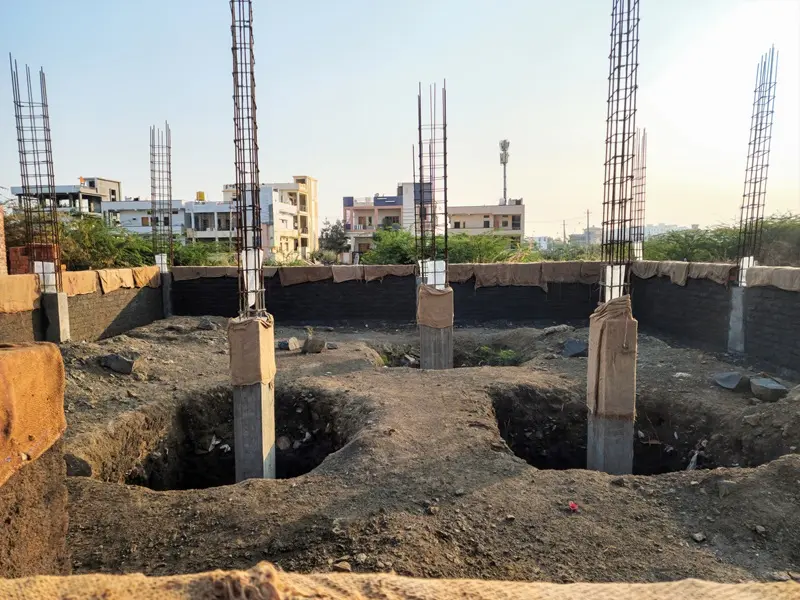
How Concrete Underpinning Compares To Other Repair Methods
Not all foundation issues call for the same fix. Concrete underpinning is just one of several ways to stabilize a home, but depending on soil conditions, damage type, and budget, other solutions may be better in certain cases.
| Repair Method | How It Works & When It’s Best |
|---|---|
| Concrete Underpinning | Involves digging beneath the foundation and pouring new concrete footings reinforced with rebar. Best for homes with shallow footings or unstable soil beneath the original foundation. |
| Steel Push Piers | Long steel rods are hydraulically driven into the ground beneath the foundation. Ideal when deeper, load-bearing soil is needed to support settling homes. |
| Helical Piers | Screw-like piers are twisted into the ground and used to support or lift sinking structures. Good for lighter homes or when soil conditions are variable. |
| Slab Jacking | Injects grout beneath sunken concrete slabs to lift them back into place. Most often used for driveways, patios, or interior floor slabs, not load-bearing foundations. |
| Wall Anchors | Steel plates and rods were installed to brace bowing basement walls. Effective when lateral soil pressure is pushing walls inward, not when vertical settlement is the problem. |
In Warrenton, where soil types and moisture levels vary by neighborhood, the best solution depends on what’s happening under your home. Concrete underpinning stands out for its durability and load capacity, especially in older homes or where footings are shallow.
How The Concrete Underpinning Process Works
Concrete underpinning isn’t a fast patch; it’s a deep structural fix. That’s why the process is methodical and built to last. Here’s what typically happens when a professional team handles the job.
1. Excavating Beneath The Existing Foundation
The first step is digging small pits, called underpinning “bays”, beneath the affected sections of the foundation. These are carefully spaced and excavated by hand or small equipment to avoid disturbing the structure above. Crews dig until they reach stable soil capable of bearing the weight of the home.
2. Placing Rebar & Pouring New Concrete
Once the bays are cleared, steel rebar is installed to reinforce the new concrete. The concrete is then poured in stages, creating a new, deeper footing beneath the old one.
This strengthens the load-bearing capacity and reduces the risk of future settling. In some cases, concrete is poured one section at a time to maintain balance.
3. Curing, Backfilling, & Finishing The Site
After the concrete sets, the area is left to cure for several days to gain full strength. Once it’s ready, the pits are backfilled, compacted, and the site is restored. Inside the home, minor patching or finishing may be needed if access was created through a slab or crawlspace.
Underpinning takes longer than cosmetic repairs, but it delivers far greater stability. This process can be the difference between temporary fixes and permanent peace of mind.
Why Concrete Underpinning Is Still A Go-To Solution
With all the modern foundation repair methods out there, concrete underpinning might seem old school, but there’s a reason it’s still widely used. It’s reliable, adaptable, and built to last.
Proven Long-Term Stability
When done right, concrete underpinning adds significant depth and mass beneath your home. This strengthens the structure from the ground up, literally, making it less vulnerable to shifting soils and future settlement.
Works For A Wide Range Of Homes
From historic houses with shallow footings to newer builds on soft ground, underpinning works across the board. It can be customized for small sections or extended along an entire wall, depending on the severity of the problem.
Reinforced With Steel For Added Strength
Underpinning isn’t just about concrete. Reinforcing it with rebar ensures the new footings hold up under pressure and resist cracking or movement, even under heavy loads or shifting conditions.
Minimal Disruption To The Living Space
Most of the work happens outside the structure, or under it. That means your daily routine usually stays uninterrupted. In many Warrenton homes, especially with crawl spaces or basements, underpinning can be done without tearing up interior flooring.
Compatible With Other Repair Systems
Underpinning can be used alongside other stabilization methods like drainage systems or piering, when needed. It’s not just a standalone fix; it can be part of a broader structural solution tailored to your home’s needs.
When it comes to foundation repair, strength and simplicity matter. Concrete underpinning may take more labor and time upfront, but the payoff is a stronger, more stable foundation.
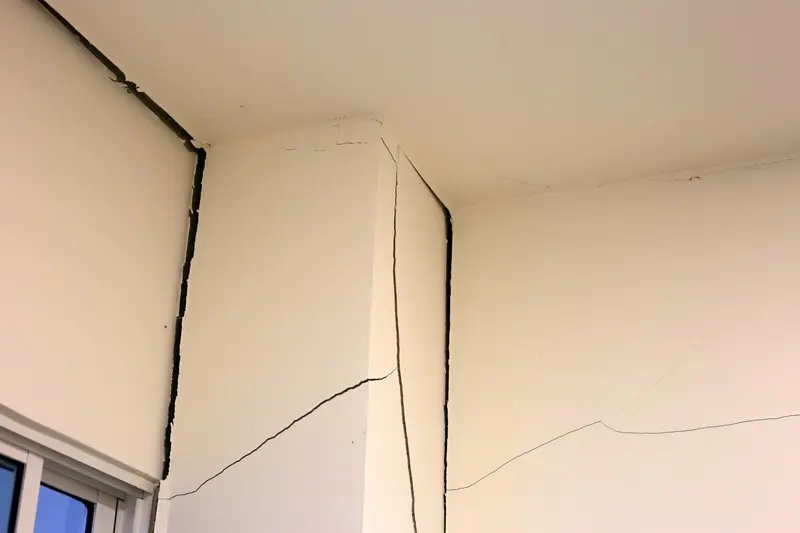
Signs Your Home Might Need Concrete Underpinning
Concrete underpinning isn’t always the first repair method that comes to mind, but certain warning signs make it a clear contender. If you’re noticing any of the following, it might be time for a deeper look.
Large Or Widening Cracks In Foundation Walls
Hairline cracks are common, but if they’re getting wider over time or running horizontally, that often points to deeper foundation movement. These can signal uneven settling that may require underpinning to correct.
Doors & Windows That Won’t Close Properly
If your doors and windows suddenly start sticking, won’t latch, or swing open on their own, it could be a sign that the structure has shifted. This often means one part of the house is settling faster than the rest.
Uneven Floors Or Sloping Rooms
Slanted or bouncy floors are a red flag. They may indicate that the support system beneath your home is no longer level or strong enough. In many Warrenton homes, this happens when soil erosion affects the footings.
Visible Gaps Between Walls & Ceilings
If you notice daylight peeking through where walls meet ceilings or gaps forming at floorboards, your home’s framing may be responding to foundation movement. These gaps don’t always start at the foundation, but they usually end there.
Recurring Water Damage Or Poor Drainage
Chronic moisture issues around the perimeter of your foundation can weaken soil and cause footings to sink. If water keeps finding its way back after repairs, your home might need support from below.
Spotting these signs early gives you more options and more affordable fixes. If you live in an area like Warrenton, where soil movement is common, underpinning might be the long-term solution your home needs.
A Stronger Foundation Starts Below The Surface
When your home’s foundation starts to settle or shift, it’s not just about patching cracks; it’s about fixing what’s beneath them. That’s exactly what concrete underpinning is designed to do.
By extending support into deeper, more stable soil, this method reinforces your entire structure from the ground up. It’s a long-term fix that holds up through seasons, storms, and shifting soil. It adds durability where it matters most.
Top Dog works with homeowners every day to evaluate whether underpinning is the right approach. We know the local soil and how to work around it. If your home is settling or showing signs of movement, don’t wait.
Schedule a foundation evaluation with Top Dog and find out if concrete underpinning can give your home the strength it needs.
About the Author: Rod Heiston

Schedule Your Consultation Today!
Recent Posts!
Takeaways: Wet seasons in Warrenton bring high humidity, which often settles in the basement. Dehumidifiers help control indoor moisture, [...]
Overview: Basement waterproofing methods fall into two main categories: interior and exterior. Interior systems manage water after it enters, [...]
Quick Recap: Not all waterproofing contractors are created equal. The right one should understand Warrenton’s soil, offer written estimates, [...]