
Key Points:
Professional foundation inspections catch early warning signs that homeowners often miss. Experts understand soil movement, moisture impact, and structural shifts. In Warrenton, changing ground conditions make accurate diagnosis even more critical. Skipping the inspection step can lead to misdiagnosed issues and costly repairs down the road.
A crack in the wall or a sticky door might seem like no big deal, but they’re often the first signs of something shifting below the surface. Foundation inspections help you catch small problems before they turn serious.
In Warrenton, where the ground expands in spring and shrinks in summer, foundations shift more than you might think. A professional inspection helps you understand what’s happening and what needs to happen next.

What A Professional Foundation Inspection Actually Covers
A proper foundation inspection isn’t just a quick glance at a few cracks. It’s a systematic evaluation designed to reveal what’s really going on beneath and around your home.
Structural Analysis Inside & Outside
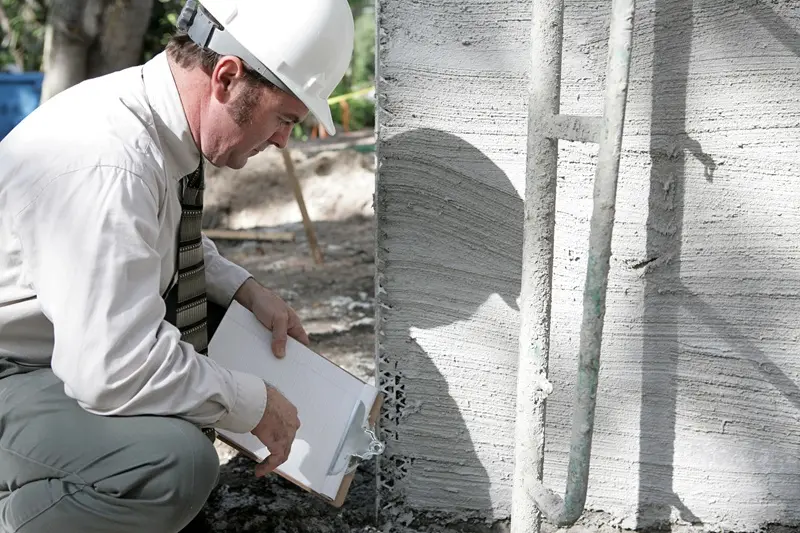
Inspectors start by walking through the entire property, inside and out. They look for signs of movement in walls, ceilings, and floors, like gaps, bulges, or uneven surfaces. Outside, they check for leaning walls, cracked bricks, or shifting steps.
Soil & Drainage Assessment
The ground around your home plays a huge role in how your foundation behaves. Professionals assess the slope of the yard, moisture levels in the soil, and the way water drains around your property. This helps spot causes that could lead to future damage.
Measuring Crack Width & Wall Movement
Not all cracks are equal. Inspectors measure the width, length, and direction of foundation cracks. If walls are bowing or settling, they use tools to track the extent of movement and determine whether it’s active or stable.
Identifying Signs Of Settling Or Heaving
Foundation settlement (sinking) and heaving (rising) both create unique stress patterns. Professionals recognize the signs, like diagonal cracks or floor slope, that tell them how your foundation is reacting to the soil beneath it.
Documenting Findings & Recommending Next Steps
The final step is putting it all together. Inspectors provide a written summary of findings, complete with photos, measurements, and a clear path forward. If no repairs are needed, they’ll tell you that too.
In places like Warrenton, where seasonal soil movement is common, a DIY visual check just doesn’t cut it. A professional inspection helps you catch problems early and avoid paying more later.
Differences Of DIY Vs. Professional Foundation Inspections
It’s tempting to take a quick walk around the house and call it an inspection. But when it comes to something as important as your foundation, the difference between DIY and professional insight can be huge.
| Inspection Type | What You Get |
|---|---|
| Visual DIY Check | You might spot obvious cracks or sloped floors, but without tools or training, deeper issues often go unnoticed. |
| Professional Foundation Inspection | Includes surface and sub-surface analysis, measurements, wall alignment checks, and expert interpretation. |
| Moisture & Drainage Evaluation | Most homeowners don’t test soil moisture or inspect the drainage slope. A pro looks at these key external factors. |
| Structural Integrity Assessment | Professionals evaluate framing, load-bearing walls, and stress signs, something a basic walkthrough won’t reveal. |
| Follow-Up Plan or Engineering Report | A full inspection includes documentation, repair options, and sometimes engineering input depending on severity. |
DIY checks are helpful for staying alert, but they’re not a substitute for a detailed, trained evaluation. In a town like Warrenton, where soil movement changes with the season, an expert inspection can make the difference between a $200 fix and a $20,000 one.
When To Schedule A Foundation Inspection
Some foundation issues appear slowly, while others seem to show up overnight. Knowing when to call in a professional helps you stay ahead of the damage and avoid bigger repairs down the line.
New Cracks Or Widening Gaps
If you notice a new crack in your wall, floor, or ceiling, or if an old one starts to grow, it’s time to get it checked. Not all cracks are serious, but movement beneath your home should never be ignored.
Doors Or Windows That Suddenly Stick
When windows or doors that used to work fine start sticking, scraping, or won’t latch, it often points to a shifting foundation. A quick inspection can confirm whether the problem is structural or something simpler.
Uneven Floors Or Visible Sloping
If your floors start to slope, bounce, or feel uneven when you walk, your foundation may be settling unevenly. This is especially common in Warrenton homes with crawl spaces or older slabs.
After Heavy Rain Or Flooding
Moisture is one of the biggest enemies of foundation stability. After a major storm, hurricane, or flooding event, it’s smart to schedule an inspection, even if everything looks okay on the surface.
Before Buying Or Selling A Home
Whether you’re preparing to list or looking to buy, a professional inspection gives you valuable insight. It can uncover hidden problems and give buyers or sellers the confidence to move forward with clear expectations.
Timing matters when it comes to foundation health. If you’re seeing even small changes, it’s worth getting a trained eye on the problem before it turns into much larger and more expensive.

The Cost Of Skipping A Professional Inspection
It’s easy to delay a foundation inspection, especially when everything seems fine on the surface. But skipping this step can lead to far more expensive problems down the line.
Missed Warning Signs Turn Into Major Repairs
Foundation problems usually start small: hairline cracks, sticky doors, or slight floor sloping. Without a professional eye, these early symptoms often go unnoticed until real damage sets in.
What could have been solved with reinforcement or soil adjustment might eventually require full structural repair.
Water Damage Can Linger Unchecked
Moisture intrusion doesn’t always leave obvious signs. A pro can identify hidden water pathways, improper drainage, or soil saturation beneath the slab, all of which weaken a foundation.
If left untreated, these issues can cause mold, erosion, and shifting that’s much harder to reverse.
Cosmetic Fixes Don’t Address The Root Cause
A little paint or plaster may hide a crack, but it won’t stop your home from settling. Many homeowners spend money on surface-level improvements when the real issue is structural. Inspections reveal whether what you’re seeing is just the surface or something deeper.
Selling Your Home? You’ll Still Need One
Even if you’re planning to sell soon, you’ll likely need a foundation inspection anyway. Buyers, lenders, and inspectors all want to know what’s going on beneath the house. Waiting until the deal’s on the table only invites last-minute surprises and delays.
Skipping an inspection might feel like saving money, but in Warrenton, where the ground is constantly shifting, that gamble rarely pays off. Knowing where your foundation stands now can save you thousands in repairs later.
Frequently Asked Questions About Foundation Inspections
Not sure if a foundation inspection is worth it, or what it really involves? These common questions help clear things up for homeowners in Warrenton and beyond.
Start With Certainty, Not Assumptions
Foundation issues don’t always show themselves clearly. A few small shifts in your walls or floors might be warning signs, or nothing at all. But guessing isn’t worth the risk.
A professional inspection gives you the facts. It shows what’s solid, what’s moving, and what needs attention now versus later. That kind of clarity helps you plan smart and avoid surprise repairs down the line.
In places like Warrenton, where weather and soil constantly affect your home’s base, an expert’s eye makes all the difference. Especially when small problems are easier and cheaper to fix early.
That’s where Top Dog comes in. We know local conditions and offer inspections built on accuracy, not assumptions. If you’ve noticed cracks, uneven floors, or shifting walls, don’t guess.
Schedule your foundation inspection with Top Dog and take the first step toward protecting your home.
About the Author: Rod Heiston

Schedule Your Consultation Today!
Recent Posts!
Takeaways: Wet seasons in Warrenton bring high humidity, which often settles in the basement. Dehumidifiers help control indoor moisture, [...]
Overview: Basement waterproofing methods fall into two main categories: interior and exterior. Interior systems manage water after it enters, [...]
Quick Recap: Not all waterproofing contractors are created equal. The right one should understand Warrenton’s soil, offer written estimates, [...]